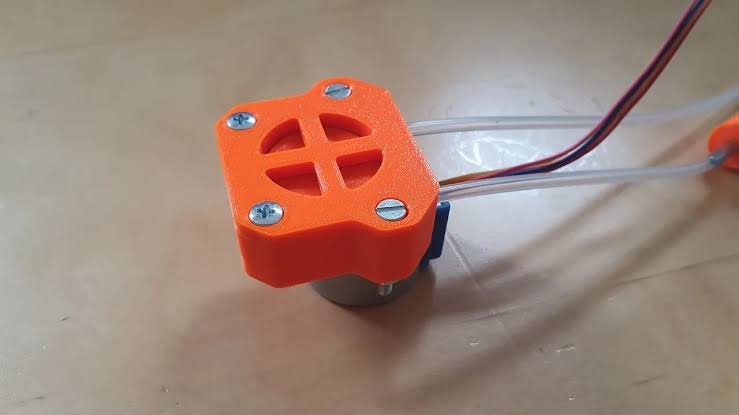
The demand for compact, precise fluid handling solutions has grown considerably across laboratory, medical, and portable analytical equipment applications, driving increased interest in mini peristaltic pump technology capable of delivering reliable performance within meaningfully reduced physical dimensions compared to standard industrial pump designs.
Where Mini Pumps Fill a Genuine Application Need
Laboratory instruments, portable diagnostic devices, and compact analytical equipment often require precise, low-flow fluid handling capability within tightly constrained physical space, a combination of requirements that standard-sized peristaltic pumps typically cannot accommodate. Mini peristaltic pumps address this specific gap, providing genuine fluid handling functionality scaled appropriately to these space-constrained applications.
Flow Rate Capabilities and Precision
Despite their reduced physical size, quality mini peristaltic pumps can still deliver meaningful flow rate precision suitable for applications like laboratory dosing, small-scale chemical analysis, and portable diagnostic sample handling, though buyers should carefully review specific flow rate ranges and accuracy specifications relative to their particular application requirements, since capability can vary considerably between different mini pump models and manufacturers.
Power Requirements for Portable Applications
Many applications utilizing mini peristaltic pumps also require battery-powered or otherwise power-constrained operation, making power efficiency an important selection criterion alongside pure physical size and flow performance considerations, particularly for handheld or portable device applications where battery life directly affects practical usability.
Tubing Compatibility at Smaller Scale
Mini peristaltic pumps typically work with smaller diameter tubing compared to standard industrial pumps, and buyers should confirm tubing compatibility and availability for their specific application fluid characteristics, since tubing material and diameter options may be somewhat more limited for mini pump formats compared to the broader tubing selection typically available for standard-sized peristaltic pump platforms.
See also: Financial Planning for Business Growth
Integration Considerations for Device Manufacturers
Product developers integrating mini pumps into larger device designs need to consider mounting requirements, electrical interface compatibility, and control system integration alongside pure pump performance specifications, since successful integration depends on how well the pump component fits within the broader device architecture being developed.
Selecting Standard Versus Custom Mini Pump Solutions
Depending on specific application requirements, buyers may find that standard catalog mini pump options adequately meet their needs, while more specialized applications might require custom engineering to achieve the specific combination of size, performance, and integration requirements their particular application demands.
Evaluating Manufacturer Experience With Compact Pump Technology
Given the specific engineering challenges involved in mini pump design, buyers benefit from selecting manufacturers who can demonstrate genuine experience and successful track record specifically with compact pump technology, rather than assuming that general peristaltic pump manufacturing experience automatically extends to reliable mini pump performance.
Conclusion
Mini peristaltic pumps address a genuine and growing need for precise, compact fluid handling capability across laboratory, medical, and portable diagnostic applications. Buyers evaluating mini pump options should carefully consider flow performance, power requirements, and tubing compatibility relative to their specific application needs, working with manufacturers who demonstrate genuine expertise in this specialized compact pump category.
FAQs
Q1: What applications commonly use mini peristaltic pumps? Laboratory dosing, small-scale chemical analysis, and portable diagnostic sample handling are common applications benefiting from mini pump technology.
Q2: How does tubing selection differ for mini pumps compared to standard pumps? Mini pumps typically work with smaller diameter tubing, and material and diameter options may be somewhat more limited compared to standard-sized peristaltic pump platforms.
Q3: Should I choose a standard or custom mini pump solution? This depends on your specific requirements; standard catalog options may suffice for common applications, while specialized needs may require custom engineering for the right combination of size and performance.