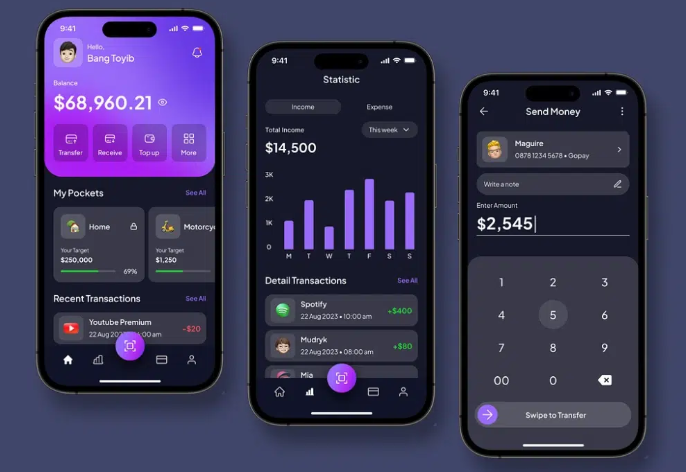
The specific e wallet app a consumer chooses to install shapes their daily interaction with digital payments considerably, making the actual user experience and feature set of a given app genuinely important beyond the underlying payment infrastructure it connects to.
Core Interface Elements That Affect Daily Usability
A well-designed payment app balances quick transaction access, since speed matters considerably for point-of-sale payment scenarios, with clear visibility into transaction history and account balance information that users want readily available without digging through multiple menu layers to find basic account information.
See also: Clothing Design for Modern Lifestyles
How Notification and Security Features Work Together
Modern payment apps typically combine transaction notifications with layered security features like biometric authentication, creating a system where users receive prompt awareness of account activity while also maintaining strong protection against unauthorized access, striking a balance between convenience and security that purely password-based systems often struggle to achieve as effectively.
Why App Reliability Matters More Than Feature Breadth
For a payment app specifically, consistent reliability, meaning the app functions correctly and processes transactions promptly without frequent glitches or downtime, often matters more to daily user satisfaction than having the broadest possible feature set, since payment failures at point of sale create genuinely frustrating real-world friction that feature-rich but less reliable apps cannot compensate for.
For those exploring what a comprehensive platform offers, this overview of the e wallet app functionality covers the range of features available to everyday users navigating daily digital payments.
How App Updates Reflect Ongoing Platform Development
Regular app updates addressing both security improvements and new feature additions reflect genuine ongoing platform investment, making update frequency and the substance of release notes worth occasionally reviewing as an indicator of how actively a given platform continues to develop and improve its offering over time.
Frequently Asked Questions
How important is app reliability compared to having many features? For payment apps specifically, reliability often matters more day-to-day, since transaction failures create immediate practical friction that a broader feature set cannot fully offset.
Do payment apps typically require regular updates? Yes, regular updates addressing both security and functionality are standard practice for actively maintained payment platforms, reflecting ongoing development investment.
What security features should a quality payment app include? Biometric authentication, transaction notifications, and the ability to remotely freeze or monitor account activity are generally considered baseline security features for a well-designed payment app.
Final Thoughts
The specific app experience behind a digital wallet platform genuinely shapes daily usability, making interface design, reliability, and security features worth real consideration beyond simply the underlying payment network a given app connects to.