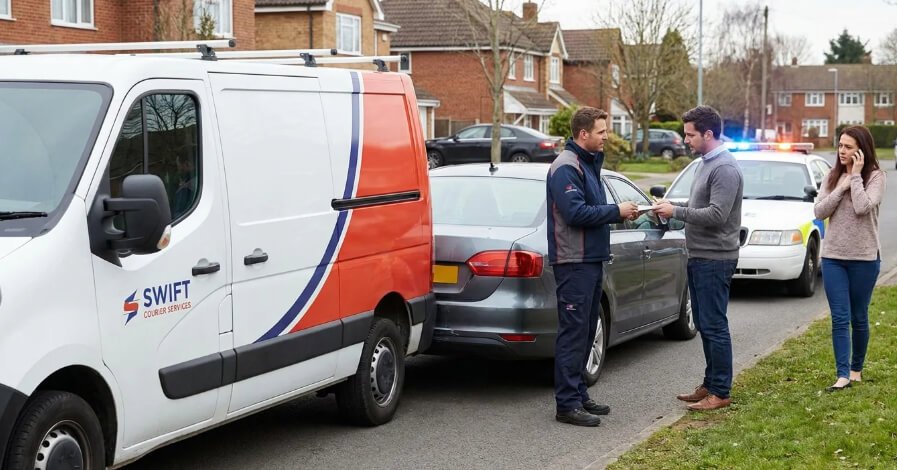
An employee’s carelessness can injure a customer, driver, coworker, or passerby within seconds. The injured person then faces medical bills, lost income, property damage, and questions about who must pay. However, the employee isn’t always the only possible defendant. They can also share liability when the facts connect the accident to their job, their employer’s conduct, or unsafe business practices. The next step is identifying which legal theory fits the evidence.
A careful review starts with the employee’s role, the employer’s instructions, and the conditions surrounding the accident. Victims can consult experienced counsel like Triumph Law to better understand how responsibility is evaluated in personal injury cases. That information separates an employee’s direct negligence from an employer’s independent legal responsibility.
Liability For Acts Within the Job
An employer often faces liability when their employee causes an accident while performing assigned work. This rule applies when the employee drives for the business, serves customers, operates equipment, delivers materials, or performs other job-related duties.
The employee’s conduct must usually fall within the scope of employment. A delivery driver who strikes another vehicle during a scheduled delivery fits that standard more closely than one who causes a crash during a personal trip.
Courts examine the employee’s purpose, location, timing, and assigned duties. A brief deviation from work does not always remove the employer from the case. A significant personal departure can change the outcome.
Negligent Hiring and Supervision
An employer can face separate liability for hiring or retaining an unsafe employee. This claim focuses on the employer’s own conduct rather than the employee’s actions alone.
Evidence may include a known history of unsafe driving, violence, substance abuse, license problems, or inadequate training. The injured person must connect that information to the accident and show that reasonable screening or supervision could have prevented the harm.
Supervision records also matter. Repeated complaints, ignored safety violations, missing training, or pressure to violate procedures can support a claim against the business.
Negligent Entrustment of Vehicles and Equipment
A business can be responsible when it gives a vehicle, tool, machine, or other property to an employee who should not use it. The central question is whether the employer knew, or had reason to know, that the employee posed an unreasonable safety risk.
For example, an employer that allows an unlicensed driver to operate a company vehicle faces different exposure than an employer that reasonably verified the driver’s qualifications.
Maintenance records can add another layer. If defective brakes, worn tires, broken safety guards, or other known problems contributed to the accident, the employer could share responsibility for failing to maintain the equipment.
Safety Rules and Workplace Conditions
An employer’s liability does not depend only on the employee who caused the immediate harm. Unsafe policies, poor training, inadequate staffing, and missing protective equipment can create separate causes of action.
A warehouse accident might involve an employee’s careless maneuver, but it could also involve blocked walkways, poor lighting, missing warning signs, or missing operating procedures. Each fact can affect how responsibility is assigned.
The same analysis applies outside the workplace. A store, restaurant, delivery company, or property manager can face claims when employees create hazards and supervisors fail to correct them.
Evidence That Supports a Claim
Accident reports provide an early record of what happened, but they rarely answer every liability question. Photographs, video footage, witness statements, dispatch records, time sheets, and employee schedules can connect the conduct to the job.
Medical records establish the injuries and treatment. Wage records show lost income. Repair estimates and receipts document property damage. Employment records can reveal training gaps, prior complaints, or disciplinary history.
Prompt evidence preservation matters because surveillance systems often overwrite recordings. A written request can direct the employer to preserve relevant video, vehicle data, maintenance files, and internal communications.
How Comparative Fault Affects Recovery
Several parties can share responsibility for one accident. The employee, employer, another driver, a property owner, or the injured person could each receive a percentage of fault.
State law controls how those percentages affect compensation. Some states reduce an award according to the injured person’s share of fault. Other rules can limit recovery when that share reaches a certain threshold.
A claimant should avoid discussing fault in recorded statements or social media posts. Insurance adjusters can use casual explanations against the claimant before available evidence is ready.
Conclusion
An employer may share liability when an employee acts during assigned work, when the business hires or supervises an unsafe worker, or when defective equipment and unsafe policies contribute to the accident. The strongest cases connect each fact to a recognized legal duty and documented harm. An injured person should preserve photographs, medical records, witness details, and employer communications promptly, then seek advice from a qualified personal injury attorney before accepting an insurance settlement.