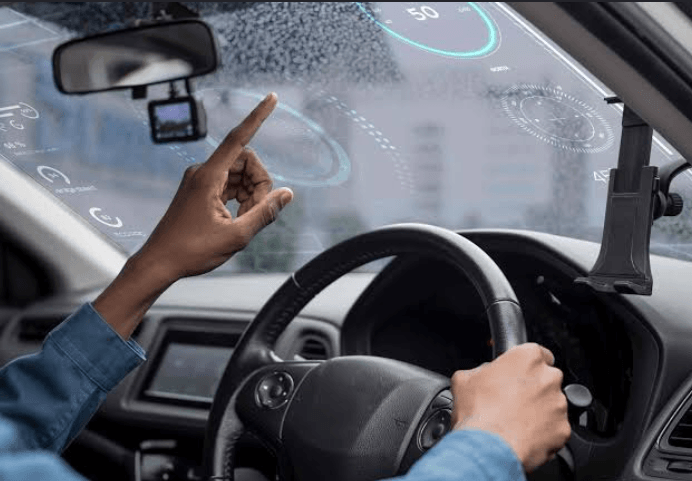
Driver-assist technology changes how vehicles brake, steer, monitor lanes, and respond to nearby traffic. When a crash involves those systems, liability depends on what failed, who was in control of the vehicle, and whether the technology operated as advertised. A driver, an automaker, a software provider, a repair facility, or another party may share responsibility. The answer requires more than reviewing a police report. It requires examining vehicle data, system warnings, maintenance records, and the events immediately before impact.
Recent electric-vehicle crash data show why technology deserves close examination after a collision. A Digital Journal review found differing accident rates among popular electric vehicles and noted that quieter operation and faster acceleration can affect driver expectations. The analysis by Levine and Wiss focused on fatal crashes and sales volume, not driver-assist defects. That distinction matters when assigning legal responsibility.
The Driver
Drivers remain responsible for controlling a vehicle, even when assistance features are active. A driver who speeds, follows too closely, changes lanes without checking traffic, or drives while distracted may be held primarily liable. System instructions also matter. A vehicle may restrict certain features to specific roads, speeds, weather conditions, or lane markings. Ignoring those limits can support an argument that the driver misused the technology. A driver also remains responsible for responding when the system disengages or issues a takeover warning.
Comparative fault rules affect the final recovery in many states. If a driver shares responsibility, their compensation may decrease based on the assigned percentage of fault. The exact rule depends on the state where the crash occurred.
The Manufacturer
A car manufacturer may face a product liability claim if a driver-assist feature contains a design defect, manufacturing defect, or inadequate safety warning. The claim must connect the defect to the collision and resulting injuries. A design defect may exist when the system predictably fails to recognize a common roadway condition. Examples include confusing a stopped object with open pavement or failing to respond properly to a visible lane boundary. A manufacturing defect involves a vehicle or component that departed from its intended specifications.
Warnings and instructions also receive close review. If the manufacturer knew that drivers misunderstood a system’s limits, unclear warnings could support a negligence or failure-to-warn claim. Recall notices, service bulletins, crash reports, and internal testing records can help establish what the manufacturer knew.
Software and Component Providers
Driver-assist functions depend on cameras, radar, sensors, processors, mapping data, and software. A component supplier may face liability if a defective sensor produced inaccurate information or failed under ordinary operating conditions. Software responsibility requires a close look at the system’s programming and updates. An update that introduced a braking error, removed a needed warning, or caused inconsistent steering could become evidence in a product claim. Investigators must preserve the vehicle’s software version because later updates can change system behavior.
A claim against a technology provider requires proof of causation. The presence of a software error alone does not establish that the error caused the crash. The evidence must show what the system detected, what response it selected, and whether that response contributed to the impact.
When Maintenance or Repairs Matter
A repair facility may share liability if poor service altered the system’s operation. Improper sensor calibration, damaged wiring, incorrect replacement parts, or an incomplete software procedure can affect braking and steering functions. Owners also have maintenance duties. A vehicle with blocked cameras, damaged sensors, worn tires, or warning lights may not perform as intended. Service invoices, inspection records, diagnostic scans, and photographs can show whether a maintenance problem existed before the collision.
Evidence That Determines Liability
Crash investigators should promptly preserve the vehicle. Event data, diagnostic records, camera footage, system alerts, and control inputs can disappear after repairs, software changes, or data overwriting. A complete investigation should also include photographs, witness accounts, roadway conditions, weather records, medical documentation, and the driver’s statements. Attorneys may inspect the vehicle and request records from manufacturers, repair facilities, insurers, and other parties.
Conclusion
Liability after a driver-assist crash depends on evidence, not the vehicle’s marketing description or the mere presence of automated features. The driver, automaker, software provider, component supplier, or repair facility may carry responsibility, either alone or together. Anyone injured should preserve photographs, medical records, repair documents, and vehicle data before making changes. A prompt review by a qualified attorney and crash investigator can identify which parties controlled the risk and whether their conduct caused the harm.