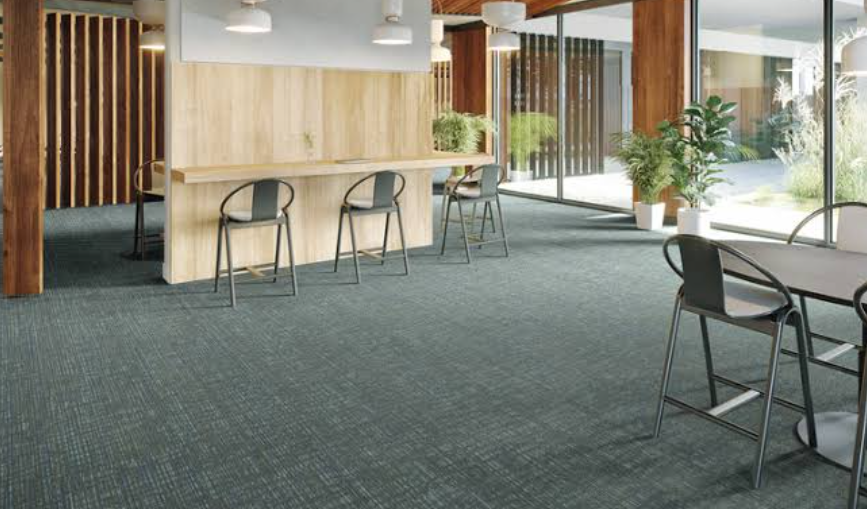
Hotels and hospitality properties are designed to provide visitors with a welcoming and comfortable experience. Every interior element contributes to that experience, including furniture, lighting, wall finishes, and flooring. Carpet is frequently used in selected hospitality environments because it offers a wide range of design possibilities and can help create a quieter atmosphere.
However, hotel carpet projects involve specific requirements. The material must suit the property’s design, expected traffic, maintenance arrangements, and operational schedule.
The Role of Flooring in Hospitality Design
Guests begin forming impressions as soon as they enter a hotel. Reception areas, corridors, guest rooms, and lounges should communicate cleanliness, comfort, and attention to detail.
Carpet can introduce colour and texture while helping connect different parts of the interior. A carefully selected design can complement the hotel’s furniture, lighting, and architectural style.
Corridors may use patterns that help create a consistent appearance across long spaces. Guest rooms can feature softer colours that support a relaxing atmosphere.
Selecting Carpets for Different Hotel Areas
Different hospitality areas require different flooring characteristics.
Guest rooms may prioritise comfort, appearance, and convenient maintenance. Meeting rooms may benefit from carpets that help absorb some sound and create a professional environment.
Corridors and reception areas generally experience higher foot traffic. Carpet materials selected for these locations should be suitable for frequent use and the property’s maintenance programme.
Restaurants and dining areas may have additional cleaning considerations because food and beverages can be spilled.
Why Professional Fitting Is Important
Hotel flooring projects often involve large areas, multiple rooms, and complicated layouts. Poor installation can lead to visible joins, wrinkles, loose edges, or uneven transitions.
Professional Carpet installation helps manage the technical requirements of these projects. Installers can measure the area, prepare the floor, select appropriate fixing methods, and complete the finishing.
A consistent installation appearance is especially important when several adjoining rooms or corridors are being carpeted.
Understanding Carpet Tiles for Hospitality Projects
Carpet tiles can provide flexibility for selected hotel and commercial environments. Their modular construction allows individual sections to be replaced when damaged.
They are available in different colours and patterns, which makes it possible to create decorative layouts or define different areas within a building.
The correct adhesive and installation method should be selected according to the product and subfloor conditions.
Managing Installation Around Hotel Operations
Hotels often need to maintain operations while renovation work takes place. Flooring installation should therefore be organised carefully to reduce disruption.
Property managers may arrange work floor by floor or complete selected sections at different times. Clear communication about room access, material delivery, noise, and cleaning is essential.
Installers should also coordinate with hotel management to ensure that work areas remain properly separated from guests and staff.
Carpet Installation in Dubai’s Hospitality Industry
Dubai has a diverse hospitality sector, including luxury hotels, serviced apartments, resorts, and business accommodation. These properties often have distinctive interior designs and different flooring requirements.
Businesses researching Carpet installation dubai should consider providers with experience in larger projects, accurate measurement, professional finishing, and suitable installation systems.
The material should be selected according to the building’s use and maintenance expectations rather than appearance alone.
Maintaining Hotel Carpets
A structured maintenance programme helps preserve the appearance of hospitality carpets. Regular vacuuming removes dust and loose particles, while prompt spill treatment can reduce staining.
High-traffic areas may require more frequent cleaning. Entrance mats can help reduce the amount of dirt entering the property.
Periodic inspections may also identify damaged tiles, loose edges, or areas that require repair before the condition becomes more noticeable.
Conclusion
Carpet can contribute significantly to the atmosphere of hotels and hospitality spaces. Appropriate material selection, professional installation, and planned maintenance help create interiors that look attractive and support daily operations. By considering the requirements of each area, hospitality businesses can make better flooring decisions and provide a more comfortable environment for visitors.