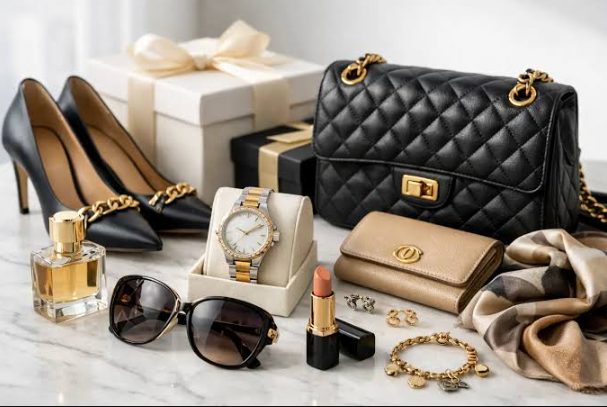
Luxury accessories are often valued for more than their appearance. Design, craftsmanship, materials and brand heritage can all influence how an item is perceived and enjoyed. For many shoppers, however, the appeal of a premium accessory also comes from the opportunity to make it feel personal.
Personalisation gives customers a way to introduce individual details into a product. It can transform a familiar design into something that reflects a preference, memory or personal milestone. When approached thoughtfully, this process adds meaning without taking away from the original character of the item.
Understanding the Value of a Well-Designed Accessory
A useful accessory should combine visual appeal with practical function. In the case of a bag, this means considering its proportions, carrying options, storage space, material and construction. A design may look attractive in a photograph, but its everyday usefulness depends on how comfortably it fits into the owner’s routine.
Luxury design often places emphasis on details such as finishing, hardware, stitching and material selection. These features influence both the appearance and the experience of using an item. Shoppers should review product descriptions and care guidance rather than relying only on brand imagery.
Personalisation as a Form of Self-Expression
Personalisation allows shoppers to make choices beyond selecting a standard colour or size. Depending on the product, available options may include initials, lettering, colour combinations or other decorative details.
The most successful personalisation usually complements the design. A small set of initials can create a subtle distinction, while a carefully chosen colour combination can give an accessory a more expressive appearance. It is worth considering whether the selected details will remain appealing over time.
Personal taste can change, but a balanced design is often easier to enjoy for many years. Shoppers who prefer understated styling may choose neutral colours and minimal details. Those who enjoy bolder accessories may prefer a more noticeable combination.
Choosing an Accessory for Different Occasions
The intended use should guide the choice of bag. A compact style may be suitable for social occasions, while a larger design can be more useful for work, shopping or travel. Some people prefer one versatile accessory, while others build a collection for different settings.
Before selecting a design, consider what needs to fit inside it. Everyday essentials may include a phone, wallet, keys and personal items. Work-related use may require additional space for a notebook or small electronic device. The bag’s weight when filled is also worth considering.
Colour and styling matter as well. A neutral accessory may coordinate with a wider range of clothing, whereas a distinctive shade can become the focal point of an outfit.
Looking Beyond Appearance
A premium purchase deserves careful evaluation. Shoppers should consider the material, construction, care requirements and product information. They should also review the dimensions and examine the internal layout to understand whether the item meets their needs.
Maintenance is part of long-term ownership. Different materials may require specific cleaning methods, and certain finishes may need protection from moisture, direct sunlight or rough surfaces. Following the manufacturer’s care instructions can help preserve the product’s appearance.
It is also sensible to review personalisation conditions before ordering. Customised items may be subject to specific policies, so shoppers should confirm their selections carefully.
Exploring Custom Design Options
A customisation experience can make the shopping process more engaging by allowing customers to consider how different elements work together. It is helpful to approach these choices in stages: first decide on the bag’s function, then select its main colour and finally consider the personal details.
The personalised luxury bag collection offers shoppers an opportunity to explore a range of designs and personalisation possibilities. Reviewing the available styles can help customers understand which options are most appropriate for their preferences and intended use.
Making a Considered Purchase
A luxury accessory is often a considered purchase, so there is value in taking time to compare options. Think about how frequently the bag will be used, whether it suits existing clothing and whether its dimensions are practical.
It may also help to establish a budget before browsing. This keeps attention on options that are realistic and reduces the temptation to choose a product based only on appearance. A well-selected accessory should offer satisfaction through its design and usefulness, not simply through its price or status.
Frequently Asked Questions
1. What makes a luxury accessory feel more personal?
Individual details such as selected colours or initials can make an accessory feel more connected to its owner. The design should still suit the person’s lifestyle and preferences.
2. Should practicality matter when choosing a premium bag?
Yes. Size, weight, storage, carrying comfort and material all influence how useful a bag will be in everyday situations.
3. How can I make sure a personalised design remains versatile?
Choose colours and details that work with your wardrobe and regular activities. A balanced design is often easier to use across different occasions.
Conclusion
A luxury accessory can become more meaningful when its design reflects the person who owns it. Personalisation provides an opportunity to introduce individual details, while thoughtful consideration of material, size and function helps ensure that the item remains practical. A balanced choice can bring together personal expression, everyday usefulness and lasting design appeal.