A thermal hunting scope is a valuable investment for hunters who need reliable performance in low-light conditions, dense forests, and open fields. Unlike traditional optics, thermal scopes detect heat signatures instead of relying on visible light, making them effective in complete darkness and challenging weather. However, even the most advanced thermal devices require regular care to maintain image quality, accuracy, and durability.
Proper maintenance not only extends the lifespan of your scope but also ensures consistent performance during every hunting trip. Whether you recently purchased a thermal hunting scope for sale or already own one, following the right maintenance practices will help protect your investment. Guide Outdoor designs thermal optics to withstand demanding environments, but routine care remains essential for long-term reliability.
Why Thermal Scope Maintenance Matters
Thermal scopes contain advanced sensors, precision lenses, electronic components, and display systems. Dust, moisture, rough handling, and improper storage can reduce their performance over time.
Routine maintenance offers several benefits:
- Preserves image clarity
- Protects sensitive infrared sensors
- Extends battery life
- Maintains zero accuracy
- Reduces the chance of unexpected failures
- Improves overall hunting performance
Even rugged thermal scopes benefit from preventive care rather than waiting until problems appear.
Clean the Lens Carefully
The objective lens is one of the most important parts of a thermal scope. Dirt, fingerprints, and dust can interfere with infrared transmission, reducing image quality.
When cleaning the lens:
Use a Soft Lens Brush
Remove loose dust with a soft brush or air blower before touching the glass. This prevents scratching the lens coating.
Use a Microfiber Cloth
Always clean using a high-quality microfiber cloth designed for optical equipment. Wipe gently in circular motions.
Avoid Household Cleaners
Never use window cleaner, paper towels, or harsh chemicals. Instead, use cleaning solutions specifically made for optical lenses.
Guide Outdoor recommends handling thermal lenses with care because protective coatings help maximize infrared transmission.
Keep the Sensor Protected
The thermal sensor is the heart of every thermal scope. Although it is safely enclosed inside the device, protecting the entire unit helps maintain sensor performance.
Avoid:
- Dropping the scope
- Heavy impacts
- Excessive vibration
- Direct exposure to extreme heat
- Unnecessary disassembly
Never attempt to open the housing unless instructed by Guide Outdoor’s authorized service team.
Store Your Scope Properly
Correct storage significantly increases the lifespan of thermal optics.
Choose a Dry Location
Store your scope in a cool, dry environment. High humidity can affect electronic components over time.
Use a Protective Case
A padded carrying case protects against:
- Dust
- Moisture
- Scratches
- Accidental impacts
Many Guide Outdoor scopes include durable carrying cases for secure transportation and storage.
Remove Batteries for Long-Term Storage
If you will not use the scope for several weeks or months, remove the batteries to prevent leakage and corrosion.
Keep Batteries in Good Condition
Thermal scopes rely on stable power for consistent performance.
Battery maintenance includes:
- Using recommended batteries
- Charging rechargeable batteries properly
- Avoiding complete battery depletion
- Keeping spare batteries warm during winter hunting
- Cleaning battery contacts occasionally
Cold temperatures reduce battery efficiency, so carrying extra batteries is always recommended.
Protect Against Moisture
Many modern thermal scopes are waterproof or water-resistant, but that does not mean they should be exposed to unnecessary moisture.
After hunting in rain or snow:
- Dry the exterior with a soft cloth
- Open the carrying case after returning home
- Allow moisture to evaporate naturally
- Never store a wet scope inside a sealed case
This simple habit helps prevent mold, corrosion, and long-term damage.
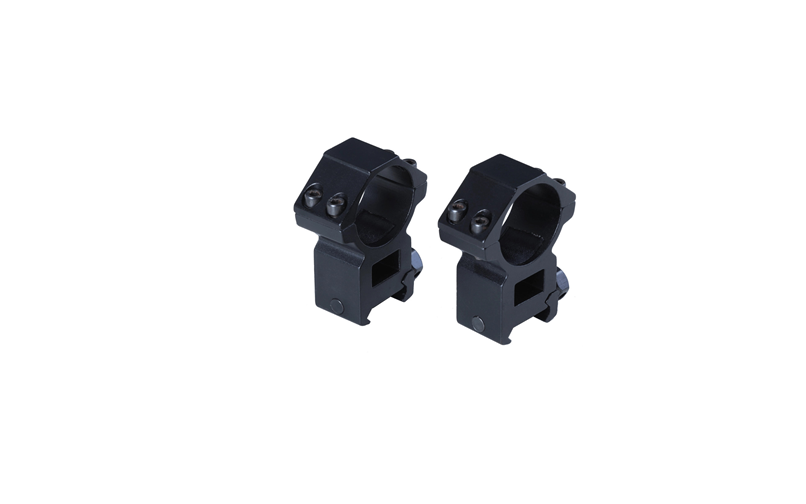
Check Mounts Before Every Hunt
A thermal scope is only accurate if it remains securely mounted.
Before heading into the field:
Tighten Mounting Screws
Inspect all screws for proper tightness without over-tightening them.
Inspect the Rail
Ensure the mounting rail shows no signs of bending or damage.
Confirm Zero
Even minor bumps during transportation can affect accuracy. Fire a few test shots before important hunting trips.
Update Firmware Regularly
Modern thermal optics often receive firmware updates that improve:
- Image processing
- Battery optimization
- User interface
- Detection performance
- System stability
Guide Outdoor periodically releases updates for compatible products. Installing the latest firmware helps maximize your scope’s capabilities.
Always follow the manufacturer’s official instructions during the update process.
Handle the Display Carefully
The display inside a thermal scope is an electronic screen that requires gentle handling.
Avoid:
- Pressing hard on the display
- Leaving the screen active unnecessarily
- Exposing the scope to direct sunlight for extended periods
Using automatic standby modes can also reduce wear while conserving battery power.
See also: Choosing an HR System That Actually Fits Your Growing Business
Protect the Scope During Transportation
Many thermal scopes experience damage while traveling rather than during hunting.
For safe transportation:
- Use padded carrying cases
- Secure the scope inside your vehicle
- Avoid placing heavy equipment on top of it
- Keep lens caps attached
Whether traveling across rough terrain or driving long distances, protecting your equipment reduces the risk of accidental damage.
Inspect Your Scope Regularly
Routine inspections allow you to identify small issues before they become expensive repairs.
Look for:
- Loose screws
- Damaged lens covers
- Cracks in the housing
- Worn rubber seals
- Battery corrosion
- Display abnormalities
A quick inspection before every hunt can prevent unexpected equipment failure.
Avoid Extreme Temperature Changes
Rapid temperature changes may cause temporary condensation on external surfaces.
Instead of moving the scope immediately from freezing weather into a warm room:
- Leave it inside its carrying case
- Allow gradual warming
- Wait before removing lens caps
This reduces moisture buildup and protects internal electronics.
Keep Software Settings Organized
Many hunters frequently adjust settings for different environments.
Periodically review:
Brightness
Use only the brightness level needed for comfortable viewing.
Color Palettes
Select palettes that best match your hunting environment while avoiding unnecessary experimentation during critical moments.
Calibration
Perform manual calibration whenever image quality appears inconsistent if your model supports it.
Understanding your scope’s settings helps maintain consistent field performance.
Use Protective Accessories
Simple accessories provide valuable protection.
Useful accessories include:
- Lens caps
- Protective carrying case
- Screen protectors
- Cleaning kits
- Waterproof storage bags
Guide Outdoor offers accessories designed specifically for its thermal optics, ensuring proper compatibility and reliable protection.
Avoid Unnecessary Modifications
Some users attempt aftermarket modifications that can compromise waterproof sealing or electronic reliability.
Avoid:
- Opening the housing
- Installing unofficial accessories
- Changing internal components
- Using unauthorized charging equipment
Following manufacturer recommendations preserves warranty coverage and ensures dependable performance.
Know the Detection Limits
Modern thermal scopes with 1000m detection distance provide excellent long-range heat detection, but maximum detection capability does not always equal positive target identification.
Environmental conditions such as:
- Heavy rain
- Dense fog
- Thick vegetation
- High humidity
- Extreme temperatures
can reduce effective performance. Understanding these limitations helps hunters use their equipment more effectively while avoiding unnecessary stress on the device.
Schedule Professional Servicing
Even with excellent maintenance habits, occasional professional inspection can help identify hidden issues.
Authorized Guide Outdoor service technicians can:
- Check sensor performance
- Verify calibration
- Inspect waterproof seals
- Update firmware
- Test electronic components
Professional servicing provides added confidence before demanding hunting seasons.
Conclusion
Proper maintenance is the key to getting the best performance from any thermal hunting scope. Cleaning the lenses correctly, protecting the electronics, storing the device safely, maintaining batteries, checking mounts, and keeping firmware updated all contribute to reliable operation in the field. These simple habits reduce the risk of damage while preserving image quality and accuracy for years to come.
Whether you are considering a thermal hunting scope for sale or already own one of the advanced thermal scopes with 1000m detection distance, following these maintenance tips will help maximize your investment. Guide Outdoor designs durable thermal optics for demanding hunting environments, and regular care ensures your equipment continues delivering dependable performance whenever your next hunting adventure begins.