If you’ve been in marketing for more than a week, someone has probably told you to “segment your audience.” The advice sounds obvious. The execution is where most teams stall.
Here’s the thing: the meaning has shifted quite a bit over the past few years. It used to be about splitting a list by age or location and calling it a day. Now it involves layering behavioural data, psychographic signals, and product usage patterns to understand not just who your customers are, but why they do what they do.
What Does Segmentation Actually Mean?
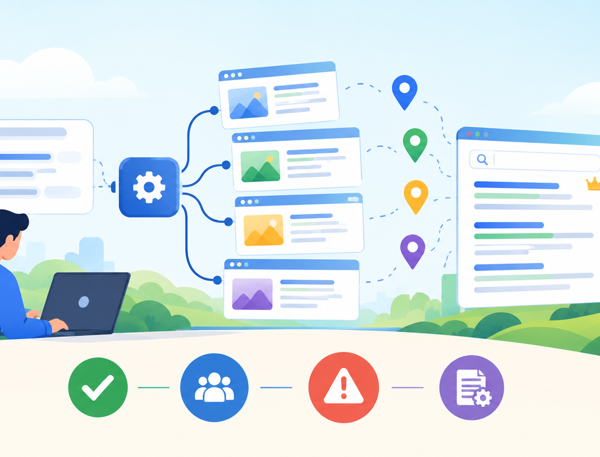
Market segmentation is the practice of dividing your audience into smaller groups based on shared characteristics, so you can speak to each group in a way that actually resonates with them.
Instead of sending the same message to everyone and hoping it sticks, segmentation lets you tailor your messaging, offers, and product positioning to match the needs of different customer groups.
The core idea is simple. Not all customers are the same. They have different needs, different budgets, and different reasons for buying. A marketing team that treats them all identically is leaving money on the table.
Where it gets powerful is when segmentation feeds into customer insights and analytics that let you act on those differences in real time, rather than just acknowledging they exist in a strategy document.
Quick summary: Segmentation means dividing your audience into distinct groups based on shared traits so you can deliver more relevant messaging, offers, and experiences to each group.
The Four Types of Segmentation Every Marketer Should Know
There are four primary approaches to segmentation, and the strongest strategies usually combine more than one.
Demographic segmentation
Demographic segmentation sorts your audience by measurable traits like age, gender, income, and job title. It’s the most accessible starting point because the data is readily available. But on its own, it only tells you who someone is on paper.
Geographic segmentation
Geographic segmentation groups people by location: country, region, city, or climate. Relevant for businesses operating across multiple markets or accounting for cultural and seasonal differences.
Behavioural segmentation
Behavioural segmentation looks at what customers actually do: purchase history, product usage, brand interactions, and engagement habits. This is where segmentation gets actionable, because behaviour predicts future action far better than demographics alone.
Psychographic segmentation
Psychographic segmentation digs into the “why” behind behaviour. It groups people by values, personality traits, lifestyle, and attitudes. Hardest to collect data for, but it’s what allows messaging that feels personal rather than generic.
Quick summary: The four types are demographic, geographic, behavioural, and psychographic. Each answers a different question about your audience. The best strategies layer multiple types together.
Why Segmentation Matters More Than Most Teams Realise
The benefits of segmentation are well documented, but the most important ones often get lost in a sea of bullet points. Here’s what actually changes when a marketing team segments well.
Your messaging gets sharper
When you know exactly who you’re talking to, you stop writing for everyone and start writing for someone. That shift alone improves open rates, click-through rates, and conversion rates across every channel.
Your spend gets more efficient
You stop paying to show ads to people who were never going to buy. You stop sending emails that get ignored because they’re irrelevant. Every pound or dollar goes further because it’s reaching the right people with the right message.
You build loyalty faster
Customers who feel understood stick around longer. When your communication consistently reflects their needs and values, they develop trust. That trust translates to retention, referrals, and willingness to pay more.
You uncover opportunities you’d otherwise miss
Segmentation reveals underserved niches or emerging customer groups that a broad-brush approach would never surface. The DMA has reported that segmented, targeted campaigns account for the vast majority of marketing-generated revenue. Those results don’t come from guesswork.
How to Get Started (Without Overcomplicating It)
The biggest mistake entry-level marketing teams make with segmentation is trying to get too granular too fast. You don’t need fifteen segments on day one. You need three to five that are distinct, measurable, and large enough to justify dedicated effort.
Start with what you already have
Your CRM, email platform, and analytics tools already contain behavioural and demographic data. Look for natural clusters: customers who engage with certain content, customers who buy at certain frequencies, customers who came through certain channels.
Make sure each segment is actionable
A segment only matters if you can do something different for it. If two segments would receive the same message, the same offer, and the same onboarding experience, they’re functionally the same segment. Merge them and focus your energy where differentiation actually drives results.
Layer over time
Start with demographic or behavioural segmentation because the data is most accessible. As you mature, layer in psychographic and usage data through a customer intelligence platform that brings these signals together. Build a progressively richer picture of each segment incrementally.
Keep segments alive
Revisit your segment definitions quarterly. Customer behaviour shifts as your product changes and your market evolves. A segment that was accurate six months ago may need refreshing.
FAQs
1. What is segmentation meaning in marketing?
Segmentation means dividing your audience into smaller groups based on shared characteristics like demographics, behaviour, geography, or values. It lets marketing teams deliver more relevant messaging to each group.
2. What are the main types of market segmentation?
The four primary types are demographic, geographic, behavioural, and psychographic. Most effective strategies combine at least two to create a more complete view of the audience.
3. Why is segmentation important for marketing teams?
It makes messaging sharper, spending more efficient, and customer relationships stronger. Teams that segment well consistently outperform those that rely on broad, undifferentiated campaigns.
4. How many segments should a marketing team start with?
Three to five is a practical starting point. Each segment should be distinct, measurable, and large enough to justify dedicated effort. You can add more nuance over time as your data matures.