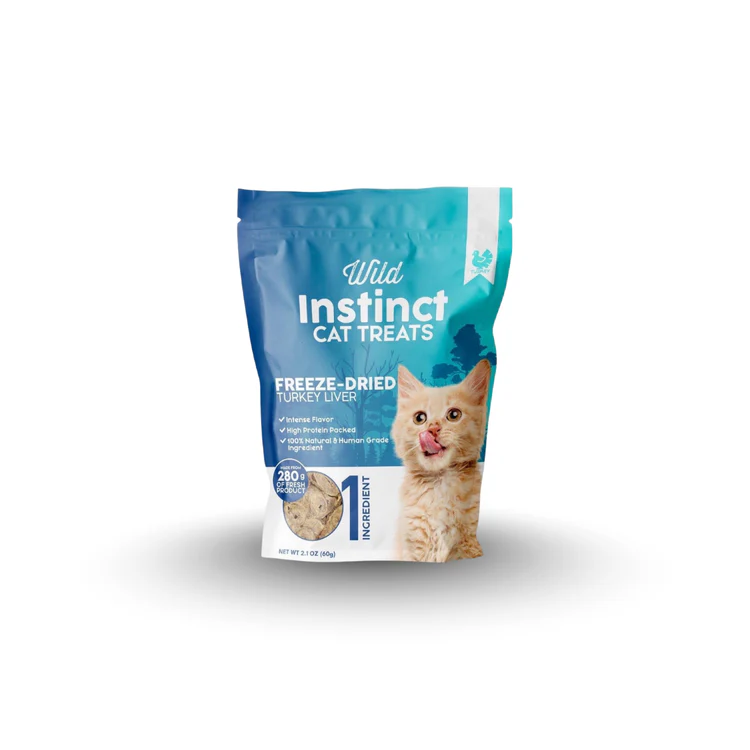
Choosing treats for your cat is not just about taste—it’s about nutrition, safety, and ingredient transparency. As more pet owners shift toward natural feeding options, organ-based treats like turkey liver for cat diets have become increasingly popular. They are nutrient-dense, protein-rich, and closely aligned with what cats would naturally consume in the wild.
However, not all freeze-dried liver treats are created equal. Some are highly nutritious and carefully processed, while others may contain low-quality sourcing, hidden additives, or inconsistent manufacturing standards.
This guide breaks down exactly how to choose safe, high-quality freeze-dried turkey liver treats so you can confidently make the best choice for your cat’s health.
Why Turkey Liver Is a Valuable Treat for Cats
Before diving into how to choose a good product, it helps to understand why turkey liver for cat nutrition is so widely recommended.
Cats are obligate carnivores, meaning their bodies are designed to thrive on animal-based nutrition. Organ meats—especially liver—are naturally rich in:
- High-quality animal protein
- Iron for healthy red blood cells
- Vitamin A for vision and immune health
- B vitamins for energy metabolism
- Essential amino acids like taurine (critical for heart health)
Unlike many commercial treats that are filled with starches or artificial flavors, turkey liver provides a dense, biologically appropriate nutrient profile.
But because the liver is also highly concentrated, quality and moderation matter. That’s where freeze-drying becomes important.
Why Freeze-Drying Matters for Turkey Liver Treats
Freeze-drying is one of the most effective preservation methods for raw ingredients like liver. When evaluating freeze-dried turkey liver, you’re looking at a process that:
- Removes moisture without high heat
- Preserves nutrients and enzymes
- Maintains natural flavor and aroma
- Extends shelf life without preservatives
- Keeps texture light and easy to break apart
For cats, this matters because smell and texture play a huge role in food acceptance. Freeze-dried liver retains a strong natural aroma that often makes it irresistible to picky eaters.
However, the benefits only apply when the product is properly made and sourced. Poor-quality freeze-dried treats can still lose nutritional value or contain contamination risks.
1. Look for Single-Ingredient Turkey Liver Products
The most important rule when choosing turkey liver for cat treats is simplicity.
High-quality products should contain:
100% turkey liver
No fillers
No preservatives
No artificial flavors
No added sugars or grains
Single-ingredient treats ensure your cat is getting pure nutrition without unnecessary additives that can cause digestive issues or allergic reactions.
Be cautious of labels that say things like:
- “liver treats with flavor enhancers”
- “chicken broth infused liver snacks”
- “mixed meat liver bites”
These often indicate diluted quality or unnecessary processing.
2. Check for Human-Grade Sourcing Standards
One of the strongest indicators of quality in freeze-dried turkey liver products is whether the meat is human-grade.
Human-grade means:
- The meat is sourced from animals approved for human consumption
- It is processed in facilities that meet strict food safety standards
- It is handled under regulated hygiene conditions
This is important because lower-grade pet meat sources may not follow the same safety protocols.
When evaluating products, look for phrases like:
- “human-grade turkey liver”
- “USDA-inspected sourcing”
- “fit for human consumption standards”
If the sourcing is unclear or vague, that’s a red flag.
3. Understand the Freeze-Drying Process Quality
Not all freeze-drying processes are equal. A properly produced turkey liver freeze dry product should retain:
- Natural color (not overly dark or burnt-looking)
- Light, crisp texture
- Strong but not unpleasant odor
- Uniform size and shape
Poor processing may result in:
- Overheating before freeze-drying
- Nutrient degradation
- Uneven moisture removal
- Fragile, dusty texture
A reputable brand will often mention:
- Batch processing
- Temperature-controlled freeze-drying
- Quality testing between production runs
These details matter because they directly impact nutrient retention and safety.
4. Avoid Additives and Hidden Ingredients
Even if a product looks like pure liver, always read the ingredient panel carefully.
High-quality freeze-dried turkey liver for cat use should not include:
- Salt or sodium preservatives
- Artificial colors or dyes
- Chemical preservatives (BHA, BHT, ethoxyquin)
- Flavoring agents
- Vegetable glycerin or starch binders
Cats do not need flavor enhancement—turkey liver is already naturally appealing. Additives are often used to mask lower-quality raw materials.
The cleaner the label, the better the treat.
5. Evaluate Transparency in Sourcing and Manufacturing
Transparency is one of the most overlooked factors in choosing pet treats.
A trustworthy brand producing turkey liver for cat consumption will usually provide:
- Country of origin for ingredients
- Details about farming practices
- Information about freeze-drying facilities
- Batch or lot tracking
- Quality control processes
Some even go further by sharing:
- Supplier partnerships
- Third-party testing results
- Food safety certifications
If a brand does not disclose where its liver comes from, it becomes difficult to verify safety and quality.
Transparency builds trust—and trust is essential when feeding something as nutrient-dense as organ meat.
6. Pay Attention to Texture and Breakability
Freeze-dried treats should be easy to handle. For cats, texture affects both enjoyment and digestion.
Good-quality freeze-dried turkey liver should be:
- Light and crisp
- Easy to break into small pieces
- Not overly powdery
- Not greasy or sticky
This matters especially for:
- Training rewards
- Senior cats with dental sensitivity
- Portion-controlled feeding
If the treat is too hard or too crumbly, it may indicate poor processing or inconsistent drying.
7. Consider Nutritional Density and Portion Control
While turkey liver is extremely nutritious, it is also very concentrated. This means it should be treated as a supplement, not a meal replacement.
When feeding turkey liver for cat diets, keep in mind:
- Small portions are enough (a few pieces per day)
- Overfeeding can lead to vitamin A excess over time
- It should complement a balanced cat diet
Freeze-dried formats make portion control easier because you can break pieces into smaller training-sized rewards.
A responsible brand will often include feeding guidelines on the packaging.
8. Look for Freshness and Packaging Quality
Packaging plays a major role in preserving the quality of freeze-dried treats.
High-quality products should come in:
- Airtight, resealable packaging
- Moisture-resistant materials
- Oxygen-barrier packaging when possible
- Clear expiration or “best by” dates
Since freeze-dried liver is sensitive to moisture, poor packaging can lead to spoilage or loss of texture.
Once opened, it should stay crisp—not soft or sticky.
9. Check Brand Reputation and Customer Feedback
Before purchasing any freeze-dried turkey liver cat treats, take time to review:
- Customer reviews
- Veterinary recommendations
- Pet nutrition forums
- Brand history and specialization
Look for consistent feedback about:
- Palatability (do cats actually like it?)
- Digestive tolerance
- Product consistency
- Packaging freshness
Brands that specialize in single-ingredient treats often have higher quality control than general pet snack companies.
10. Watch for Red Flags When Buying Turkey Liver Treats
To summarize, avoid products that show any of the following warning signs:
- Long ingredient lists
- Unclear sourcing information
- Artificial preservatives
- Extremely cheap pricing (often indicates low-grade sourcing)
- No mention of freeze-drying standards
- Lack of company transparency
When it comes to organ meats like liver, quality is not optional—it directly impacts safety and nutritional value.
Final Thoughts
Choosing the right turkey liver for cat treats is about more than just picking a tasty snack. It’s about understanding sourcing, processing, and nutritional integrity.
The best freeze-dried turkey liver products share a few key qualities:
- Single ingredient purity
- Human-grade sourcing
- Careful freeze-drying methods
- No additives or fillers
- Transparent manufacturing practices
When you prioritize these factors, you’re not just buying a treat—you’re investing in your cat’s long-term health, energy, and wellbeing.
Freeze-dried turkey liver can be one of the most beneficial natural treats you introduce to your cat’s diet—just make sure it’s made the right way.