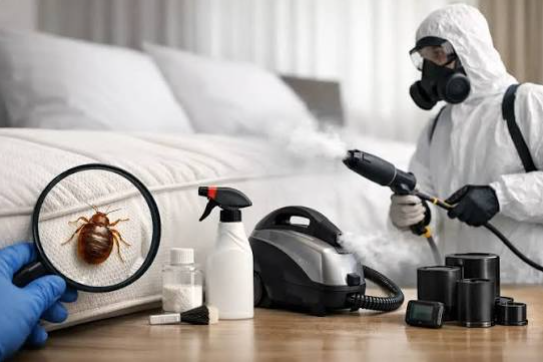
Few pest problems cause as much distress as a bed bug infestation, and the abundance of conflicting advice available online can make it genuinely difficult to know which control approaches are actually effective versus which simply waste time and money while the infestation continues to spread. This article breaks down what genuinely effective bed bug control involves, based on established pest management principles.
Why Bed Bugs Are Particularly Challenging to Eliminate
Bed bugs present unique challenges compared to many other household pests, including their ability to hide in extremely small crevices throughout a living space, their resilience to some common treatment approaches, and their tendency to spread quickly if not addressed comprehensively and promptly.
The Importance of Accurate Identification First
Before any treatment begins, accurately confirming a bed bug infestation, rather than assuming based on bites alone, which can be caused by various other insects, is an important first step, since treatment approaches for bed bugs differ significantly from those appropriate for other common pests.
See also:Clothing Design for Modern Lifestyles
Why Comprehensive Treatment Matters More Than Spot Treatment
One of the most common mistakes in bed bug control involves treating only the areas where bugs have been directly observed, rather than addressing the full scope of a space where bed bugs may be hiding, since incomplete treatment often allows surviving populations to rebound and continue spreading throughout a living space.
The Value of Professional Assessment and Treatment
Given the challenges involved in fully eliminating a bed bug infestation, professional pest control services bring both the expertise to properly assess the full extent of an infestation and access to treatment methods generally more effective than typical consumer-available products, making professional involvement particularly valuable for anything beyond a very minor, early-stage issue. Those dealing with a suspected infestation can explore professional bed bug control services designed to address infestations comprehensively rather than through incomplete spot treatment.
Preventing Reinfestation After Treatment
Successful bed bug elimination requires attention not just to the initial treatment but to follow-up monitoring and preventive measures, since incomplete elimination or reintroduction from external sources can allow a previously resolved infestation to return if preventive vigilance is not maintained.
What to Expect During the Treatment Process
Effective bed bug treatment often requires multiple treatment sessions rather than a single visit, reflecting the pest’s resilience and the need to address different life stages of the infestation over an appropriate treatment timeline, and understanding this realistic timeline helps set appropriate expectations from the outset.
Frequently Asked Questions
Can bed bug infestations be effectively eliminated with over-the-counter products alone? For minor, very early-stage issues this may be possible, but established infestations generally require professional treatment for comprehensive and reliable elimination.
How many treatment sessions are typically needed to fully eliminate bed bugs? This varies by infestation severity, but professional treatment often involves multiple sessions to address different life stages and ensure comprehensive elimination rather than partial treatment.
How can I prevent bed bugs from returning after successful treatment? Maintaining vigilance around secondhand furniture, luggage after travel, and other common introduction points, combined with prompt attention to any signs of recurrence, helps prevent reinfestation.
Conclusion
Effective bed bug control requires accurate identification, comprehensive rather than partial treatment, and realistic expectations around the treatment timeline involved. Given the challenges these pests present, professional pest control support often provides the most reliable path to genuinely resolving an infestation and preventing its return.