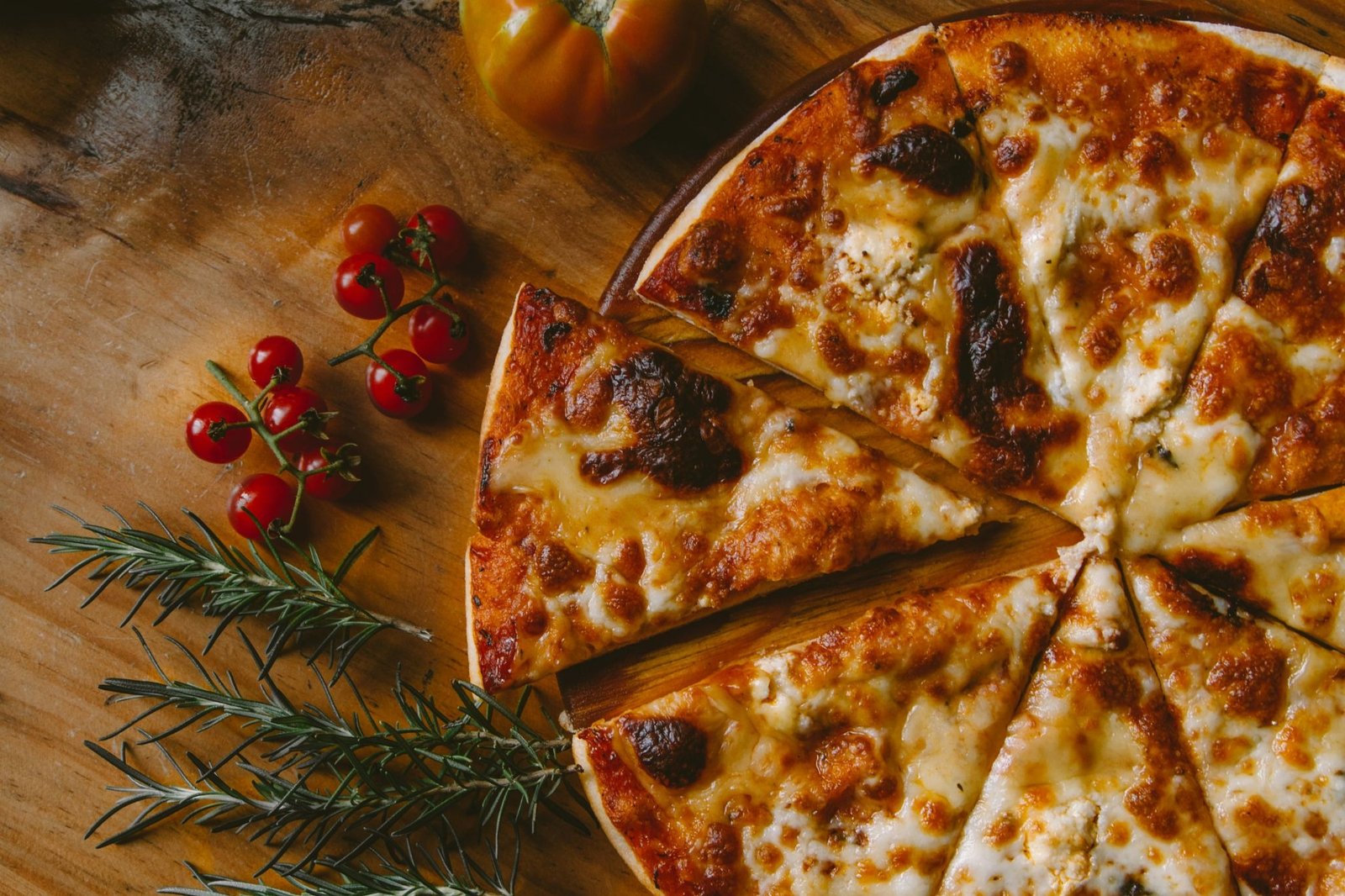
Ask ten people in this city where the best pizza is, and you will get eleven answers, most of them about memory rather than food. Someone had a slice at one in the morning after a show, and it fixed the rest of the night. Someone else grew up on a Friday routine and never questioned it. That is a fine way to love a place. It is a poor way to pick one you have never been to. Taste is personal. How the food gets made is not. Dough handling, sourcing, oven type, and how a kitchen handles an allergy order. Those can be described and compared, and they explain far more about why one pizza works than any ranked list does.
So the useful version of the question is narrower. A person typing best pizza in Philadelphia into a search bar wants a shortcut to a decision, and what comes back is usually a list sorted by review counts and good photography. Almost none of it says anything about process. A little context about how a pizza is actually built changes what you notice when you walk in, and it makes the gap between two places on the same block much easier to see.
Manayunk carries more of this conversation than a neighborhood its size should. Main Street runs a few blocks and holds a serious number of kitchens, many of them working with dough in one form or another. The Tomato Shack salad & pizza co, Manayunk is one of the pizza and salad operations along that stretch, working alongside a long list of neighbors doing their own version of the same thing. Nothing here is a recommendation of any specific provider. What’s Ahead covers what separates one pizza from another in practice, and what is worth asking before you hand over your evening to it.
Dough Is Mostly a Question of Time
Flour, water, salt, yeast. Four ingredients, and almost the entire distance between forgettable and good sits in how long they were left alone. Dough that rests for a day or two ferments slowly and develops flavor as it sits. Dough mixed and used within a couple of hours never gets the chance. Both bake. Only one tastes like something on its own.
There is a rough test for this that you can run at the table. Eat the outer edge of the crust with nothing on it. If it is bland, no topping will save the rest of the slice. Chew: a bit of tang, those blistered bubbles along the rim. None of that comes from a recipe anyone is hiding. It comes from patience and cold storage.
See also: Clothing Design for Modern Lifestyles
Sourcing Shows Up in the Sauce Before Anywhere Else
Tomatoes are the tell. Canned tomatoes vary wildly in quality depending on the variety, the harvest, and how much water is packed in with them, and a kitchen that starts with a good one usually does very little to it. Salt. Maybe basil. That is often the whole recipe. When a sauce tastes mainly of sugar and dried herbs, it is generally covering something underneath.
Cheese follows the same logic. Low-moisture mozzarella browns properly and does not flood the middle of the pizza. Fresh mozzarella tastes better but behaves worse, so kitchens that use it have to work around the water. Neither choice is wrong. It is just a decision someone made, and you can taste the decision.
The Gluten-Free Answer Is More Complicated Than a Menu Symbol
The FDA’s gluten-free labeling rule sets a limit of under 20 parts per million and applies to packaged foods. The agency has said in its questions and answers on the final rule that restaurants making the claim on a menu should stay consistent with that same definition. No kitchen is testing an individual pizza against it. So the honest questions are about handling instead of labeling.
Is the crust made on-site or brought in frozen? Does the order get its own prep space, its own cutter, its own screen? Somebody avoiding gluten by preference and somebody managing celiac disease need completely different answers to those questions, and a kitchen that is set up for one is not automatically set up for the other. Ask which one they are built for. A straight answer tells you more than a symbol on a menu.
Salads Say Something About the Pizza
This sounds like a stretch. It is not. A salad has nowhere to hide. Lettuce chopped that morning tastes different from lettuce chopped on Sunday, dressing made in-house tastes different from dressing poured from a jug, and no amount of heat or cheese is standing between you and the truth of it. A pizza kitchen that treats its salads as an afterthought tells you how it thinks about prep in general.
Ovens, and Why the Cook Time Matters
A wood- or gas-deck oven running very hot cooks a pizza in a couple of minutes and leaves char, softness in the center, and a crust that folds. A conveyor oven at a lower temperature takes closer to ten minutes and gives you something drier and crisper that holds up in a delivery box. People argue about this as though one is correct. They are simply two different foods that share a name, and the style a kitchen picks tells you what they want the pizza to be by the time it reaches you.
What Manayunk Adds to the Question
The neighborhood has a density problem in the best sense. Visit Philadelphia’s guide to Manayunk describes it as a culinary spot packed with restaurants, bars and cafes, most of them along Main Street, in a neighborhood named from a Lenape word meaning the place where we go to drink. Add the hills, the towpath and the river, and you get a stretch where a dozen kitchens compete within a few minutes.
That density does something to standards. When a customer can leave one door and be inside another in ninety seconds, sloppy prep gets punished quickly. It also means the choice in front of you on a given night is genuinely close, which is exactly when knowing what to ask about starts to pay off.
The Honest Version of the Answer
Best is a ranking, and rankings do not survive contact with an actual dinner. What survives is whether the crust was worth eating on its own, whether the sauce tasted like tomatoes, and whether the kitchen gave you a clear answer when you asked about the gluten-free order instead of a vague one. Manayunk gives you enough options to be picky about all three within a few blocks. Ask the questions, eat the crust edge first, and go back to whichever place handled it best.