For cafés, bakeries, restaurants, dessert shops, and catering businesses, efficient preparation is an important part of maintaining a smooth kitchen workflow. Whipped cream is used across a wide variety of desserts and beverages, making the equipment used to prepare it an everyday consideration for many food-service operations. Businesses considering wholesale whip cream chargers should look beyond quantity and evaluate quality, compatibility, storage, handling, and overall kitchen requirements.
Buying culinary supplies in larger quantities can help businesses maintain an organized inventory and reduce the need for frequent replenishment. However, pressurized culinary products require appropriate storage and responsible handling. A well-planned purchasing and storage system can help businesses maintain consistency without compromising kitchen safety.
Understanding Whip Cream Chargers
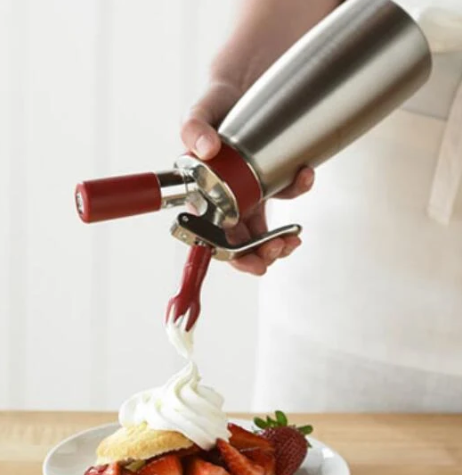
Whip cream chargers are pressurized culinary containers designed to work with compatible cream dispensers. They are commonly used to aerate cream, allowing kitchens to prepare whipped cream efficiently for desserts and drinks.
Unlike traditional mechanical whipping methods, a dispenser-based system can provide a convenient way to prepare and dispense cream when required. This can be useful in busy environments where staff need to prepare multiple servings during service.
The charger is only one part of the system. The dispenser, ingredients, preparation technique, and cleaning process all contribute to the final result.
Why Businesses Consider Buying in Larger Quantities
Commercial kitchens often operate with predictable consumption patterns. A café serving desserts every day may use considerably more chargers than a household that prepares whipped cream occasionally.
Purchasing suitable supplies in larger quantities can make inventory management easier. Instead of repeatedly ordering small quantities, a business can plan its requirements around expected usage and maintain an appropriate stock level.
However, larger quantities should always be based on realistic consumption. Keeping excessive inventory can create unnecessary storage challenges, particularly when the products are pressurized and have specific storage requirements.
Factors to Evaluate Before Purchasing
Businesses should establish clear criteria before selecting a product. The lowest apparent cost is not necessarily the best choice if the product is incompatible with existing equipment or does not meet the kitchen’s quality requirements.
Food-use suitability
Chargers intended for culinary applications should be selected for food preparation. Businesses should verify product specifications and follow the manufacturer’s recommendations.
Compatibility
Not every charger is necessarily suitable for every dispenser. The equipment manufacturer’s instructions should be checked before purchasing larger quantities.
Consistency
Commercial food preparation depends on predictable results. A reliable supply can help staff maintain consistent preparation procedures across different shifts.
Packaging and condition
Products should arrive properly packaged and undamaged. Pressurized containers require careful handling throughout transportation and storage.
Planning Inventory
Inventory planning becomes particularly important when buying larger quantities. A business can begin by reviewing historical usage.
For example, a café could monitor charger consumption over several weeks and calculate its average requirements. Seasonal changes, promotional campaigns, special events, and changes in menu items should also be considered.
A simple inventory system can record:
- Quantity received
- Quantity currently stored
- Average weekly usage
- Reorder point
- Storage location
- Date of stock checks
This approach helps prevent both shortages and unnecessary overstocking.
Storage Considerations
Proper storage is essential for pressurized products. Chargers should be stored according to the manufacturer’s instructions and kept away from excessive heat, direct sunlight, and conditions that could damage the containers.
Businesses should choose a clean, organized storage area where staff can easily monitor inventory. Pressurized containers should not be placed in locations where they could be exposed to unnecessary impacts or extreme temperatures.
Employees should also know the storage procedures. A written workplace guideline can be useful when multiple staff members are responsible for kitchen supplies.
Safe Kitchen Practices
Food businesses should incorporate charger handling into their general kitchen safety procedures.
Employees should read and understand the instructions for the dispenser and charger before use. Chargers should never be punctured, heated, modified, or deliberately damaged.
Used containers should be handled according to applicable waste-disposal procedures. Businesses should also make sure that staff understand that culinary chargers are designed for their intended food-related applications and should not be repurposed.
Clear procedures can reduce confusion and help maintain a safer working environment.
Maintaining the Cream Dispenser
Even a high-quality charger cannot compensate for poorly maintained equipment. Cream dispensers should be cleaned regularly and according to the manufacturer’s instructions.
Food residue can accumulate around nozzles, seals, and other components. Proper cleaning helps maintain hygiene and may also support more consistent performance.
Commercial kitchens can establish cleaning schedules based on usage. Frequently used equipment may require attention after each preparation cycle, while deeper cleaning can be incorporated into the kitchen’s routine maintenance program.
Staff should also inspect components for signs of wear and follow manufacturer recommendations for replacement parts.
Improving Dessert Preparation
Whipped cream can be used in many different menu items. Cakes, waffles, pancakes, pies, pastries, coffee drinks, hot chocolate, fruit desserts, and ice cream are just a few examples.
Because these products may be prepared throughout the day, having an efficient system can help staff maintain service speed. A properly organized preparation station can keep ingredients, dispensers, and other equipment within easy reach.
The objective should not simply be speed. The best workflow combines efficiency with cleanliness, consistency, and safe handling.
Choosing a Supplier for Business Needs
When a business is evaluating wholesale whip cream chargers it should consider more than the number of units available.
Supplier evaluation can include product specifications, packaging, consistency, compatibility information, customer support, and clear handling instructions. Businesses should also ensure that the products are appropriate for their intended culinary use.
A dependable supply relationship can make inventory planning easier, particularly for businesses with regular consumption.
Training Staff
Employee training is often overlooked when businesses introduce new kitchen equipment. Even relatively simple systems should have clear operating procedures.
Training can cover:
- How to inspect the equipment before use.
- How to assemble the dispenser according to instructions.
- How to handle chargers safely.
- How to clean the dispenser.
- How to store unused chargers.
- How to dispose of used containers responsibly.
Written instructions near the preparation area can provide a useful reminder for new employees and temporary staff.
Avoiding Common Purchasing Mistakes
One common mistake is purchasing a large quantity without confirming compatibility. Another is selecting products based solely on price while overlooking quality and handling requirements.
Businesses should also avoid storing more stock than their facilities can safely accommodate. Larger quantities require appropriate organization, especially when products are pressurized.
Finally, inventory should be reviewed regularly. Changes in menu demand can affect consumption, so purchasing quantities should be adjusted accordingly.
FAQs
1. Why do businesses buy whip cream chargers in larger quantities?
Businesses with regular whipped-cream requirements may purchase larger quantities to simplify inventory planning and maintain a consistent supply.
2. Are all cream chargers compatible with every dispenser?
No. Compatibility can vary between equipment systems. Always check the dispenser manufacturer’s specifications before purchasing.
3. How should whip cream chargers be stored?
They should be stored according to the manufacturer’s instructions, away from excessive heat, direct sunlight, damage, and unsuitable environmental conditions.
See also: Finding Calm in the Chaos: How Mindfulness Therapy Can Transform Mental Wellness
Conclusion
For food businesses, purchasing culinary supplies in larger quantities can support efficient inventory management, but quantity should never be the only consideration. Quality, compatibility, storage, staff training, and responsible handling all contribute to a dependable kitchen system.
Businesses researching wholesale whip cream chargers should therefore evaluate their actual usage, existing equipment, available storage space, and operational procedures before making a purchasing decision. With proper planning and safe kitchen practices, whipped-cream preparation can become a consistent and efficient part of everyday food service.