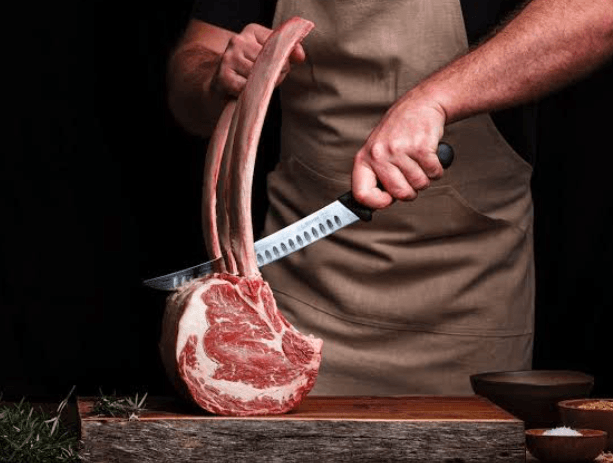
Beef is a versatile ingredient used across restaurants, catering businesses, hotels, food manufacturers, and home kitchens. In a busy food market such as Hong Kong, having a dependable supply of quality meat can make meal preparation easier while supporting consistent taste and presentation. For businesses that need reliable ingredients throughout the year, frozen products can provide an additional level of convenience.
When considering frozen beef Hong Kong buyers have several factors to evaluate, including product quality, cut selection, packaging, storage conditions, food safety, and intended use. Making an informed choice is not simply about selecting the lowest price. The right product should fit the kitchen’s menu, preparation methods, storage capacity, and expected demand.
Why Frozen Beef Can Be a Practical Choice
Frozen beef offers several advantages for professional and household kitchens. Proper freezing can help preserve the product for longer storage while making it possible to keep a supply available for future meal preparation.
For restaurants, this can be particularly useful when menu items require specific cuts of beef. Instead of relying entirely on daily availability, businesses can plan their inventory around expected demand.
Frozen products can also help reduce unnecessary food waste. When meat is stored correctly and used according to an organized inventory system, kitchens can better manage quantities and avoid purchasing more fresh ingredients than they can use.
The key is maintaining the appropriate cold chain from storage through preparation.
Understanding Different Beef Cuts
Different beef cuts are suitable for different cooking methods. Before purchasing, it is useful to understand how the product will be used.
Tender cuts can work well for quick cooking methods such as grilling, pan-searing, or stir-frying. Other cuts may be more suitable for stews, soups, braising, or slow cooking.
Restaurants should therefore consider their menu before selecting products. A steak-focused restaurant may require different cuts from a hot-pot restaurant, caterer, or food manufacturer.
Choosing based on culinary application can help reduce waste and improve overall kitchen efficiency.
What to Look for in Packaging
Packaging provides important information about a frozen meat product. Buyers should inspect the package carefully for signs of damage, leakage, or compromised seals.
Clear labeling can also make inventory management easier. Product information may include the cut, weight, origin, storage instructions, production details, or expiration information.
For commercial kitchens, standardized packaging can be especially helpful because employees can quickly identify products without opening multiple packages.
Well-organized storage also reduces the risk of older stock being forgotten at the back of a freezer.
Maintaining the Cold Chain
Temperature management is one of the most important considerations when handling frozen meat.
Products should remain frozen during transportation and storage. Repeated temperature fluctuations can affect quality and may create food-safety concerns.
Businesses should make sure freezers are maintained appropriately and that staff understand the importance of minimizing unnecessary exposure to warmer conditions.
When receiving a delivery, employees can inspect packaging and storage conditions before placing products into the freezer. Any unusual signs should be addressed according to the supplier’s food-safety and return procedures.
Storage Organization for Restaurants
A well-organized freezer can improve both food safety and efficiency.
Restaurants can divide storage areas according to product categories and use clear labeling. Products should be arranged so that older stock is used appropriately before newer stock whenever possible.
An inventory system can also help managers monitor quantities and avoid shortages. For frequently used beef products, tracking weekly or monthly consumption can make purchasing decisions more predictable.
Freezer organization may seem like a small operational detail, but it can have a significant effect on kitchen workflow.
Choosing Products for Different Menus
Menu planning should influence purchasing decisions.
A restaurant serving burgers may require minced beef or suitable ground-meat products. A steakhouse may need specific premium cuts, while an Asian restaurant may use thinly sliced beef for stir-fries, hot pots, or noodle dishes.
Catering businesses may have different requirements because they often need to prepare large quantities within a limited period.
Before placing an order, businesses should identify the recipes that use the product, portion requirements, expected customer demand, and available freezer capacity.
This approach helps ensure that the selected products have a clear purpose in the kitchen.
Quality and Consistency
Consistency is especially important for commercial food businesses. Customers generally expect their favorite dishes to taste and look similar each time they order them.
Using standardized cuts and portion sizes can help kitchens maintain this consistency. It can also make food-cost calculations easier because chefs know approximately how much meat is required for each serving.
Quality should therefore be considered alongside price. A product that performs consistently in the kitchen may offer better overall value than a cheaper option that produces variable results.
Safe Thawing Practices
Frozen beef should be thawed using safe food-handling procedures. The method chosen should be appropriate for the quantity of meat and the kitchen’s operational requirements.
Thawing at controlled refrigeration temperatures is generally preferred because it keeps the product in a safer temperature environment. Large quantities may require additional planning because they can take considerable time to thaw properly.
Once thawed, the product should be handled according to appropriate food-safety procedures and should not be repeatedly frozen and thawed without a valid food-safety basis.
Staff training is important because incorrect thawing can create unnecessary risks.
Reducing Food Waste
Good inventory management can help restaurants reduce food waste.
Businesses should track which cuts are used most frequently and which products remain in storage for longer periods. This information can help managers adjust future purchasing decisions.
Portion control is another useful strategy. Standardized portions make it easier to calculate how much meat is needed for a specific number of customers.
Freezer organization, accurate inventory records, and menu planning can work together to create a more efficient system.
What Businesses Should Ask Suppliers
Before choosing a supplier, commercial buyers may want to understand several aspects of the product and service.
Useful questions can include:
- What cuts and sizes are available?
- How is the product packaged?
- What are the recommended storage conditions?
- What information is provided on the label?
- How is temperature maintained during delivery?
- What is the expected availability of regularly purchased items?
- What procedures apply if packaging arrives damaged?
Clear answers can help businesses make better purchasing decisions and establish a dependable supply process.
Supporting a More Efficient Kitchen
The right frozen beef product can become an important part of a restaurant’s wider food-management system. However, successful use depends on proper storage, safe handling, appropriate thawing, and good inventory practices.
Businesses should also review their usage patterns regularly. If demand changes, purchasing quantities and storage arrangements may need to change as well.
For kitchens looking to explore suitable frozen beef Hong Kong options, comparing product characteristics with actual menu requirements can be a practical starting point.
FAQs
1. Why do restaurants use frozen beef?
Frozen beef can provide convenient storage, help businesses maintain inventory, and support menu planning when products are stored and handled correctly.
2. How should frozen beef be stored?
It should be kept under appropriate frozen-storage conditions and protected from unnecessary temperature fluctuations. Packaging and product instructions should always be followed.
3. What should businesses consider when buying frozen beef?
Important factors include the intended cooking method, cut, packaging, product quality, storage requirements, supplier reliability, and expected kitchen demand.
Conclusion
Choosing beef for a professional kitchen involves more than comparing prices. Businesses should consider cuts, quality, packaging, storage, food safety, menu requirements, and supplier reliability before making purchasing decisions.
With proper inventory management and responsible cold-chain practices, frozen beef can be a practical ingredient for restaurants, caterers, food businesses, and home kitchens. A thoughtful purchasing process can help improve consistency, reduce waste, and support a smoother overall kitchen operation.