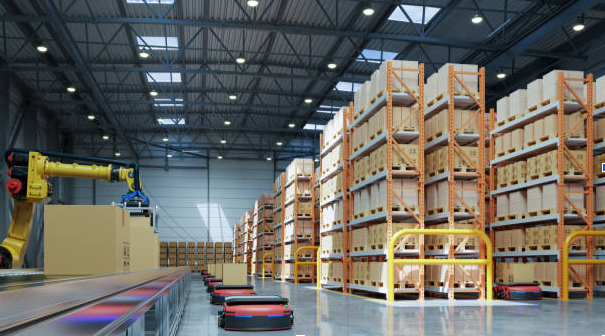
Warehouse racking plays an essential role in organizing inventory, improving storage capacity, and supporting efficient material handling. However, poorly planned, overloaded, or improperly maintained racks can create serious operational risks. For businesses, making warehouse racking safety a consistent priority is important for protecting inventory, equipment, facilities, and employees.
Well-designed storage racking solutions can help businesses create organized storage areas while supporting efficient warehouse operations. Safety should be considered from the initial planning stage through installation, inspection, maintenance, and future expansion. Working with an experienced provider such as MTLI Group can help businesses consider the practical requirements of their warehouse environment when planning racking systems.
Assess the Warehouse Before Installing Racking
Every warehouse has different requirements based on its building structure, inventory characteristics, available floor area, and material-handling processes. Before installing a racking system, businesses should evaluate these factors carefully rather than choosing a configuration based only on available space.
A proper assessment helps determine suitable rack dimensions, load requirements, aisle arrangements, and access points. It can also identify potential obstacles that could affect safe warehouse operations. This initial planning creates a foundation for effective storage and safer day-to-day activities.
See also: Clothing Design for Modern Lifestyles
Understand Load Capacity Requirements
Every racking system should be selected according to the weight and dimensions of the products it will store. Exceeding the designed load capacity can place unnecessary stress on rack components and compromise system stability.
Businesses should maintain clear information about maximum permitted loads and ensure employees understand these limitations. Product weights can also change over time, so inventory changes should be reviewed before modifying storage arrangements.
Important factors include:
- Maximum pallet weight
- Load distribution
- Rack height
- Beam capacity
- Product dimensions
- Number of storage levels
- Frequency of loading and unloading
Clear load information helps warehouse teams make informed storage decisions and reduces the likelihood of inappropriate loading practices.
Consider Floor and Building Conditions
The warehouse structure itself can influence racking safety. Flooring must be suitable for the intended rack configuration and expected loads, while the building’s height and layout can affect rack dimensions and positioning.
Businesses should also consider columns, doors, lighting, fire protection equipment, emergency routes, and other fixed features. Racking should not obstruct important access points or interfere with essential warehouse infrastructure.
A detailed site assessment can reveal constraints before installation begins. This allows businesses to develop warehouse Racking Solutions that work with the existing facility rather than creating unnecessary operational complications.
Focus on Proper Installation and Configuration
Even high-quality racking requires correct installation. Components need to be positioned, secured, and configured according to the intended design. Small installation errors can affect how a system performs under everyday warehouse conditions.
Businesses should ensure that installation is completed according to the system’s specifications and that modifications are not made without proper evaluation. A structured installation process establishes a reliable foundation for long-term rack performance.
Ensure Correct Rack Alignment
Rack alignment is important for maintaining an organized and stable storage environment. Uprights, beams, and other components should be positioned correctly according to the planned configuration.
Misaligned racks can create difficulties when pallets are placed or removed. They may also make aisles harder to navigate, particularly when material-handling equipment operates in confined areas.
After installation, businesses should check:
- Upright positioning
- Beam connections
- Rack spacing
- Aisle clearance
- Floor anchoring
- Level alignment
- Clearance around equipment
Regular observation can help identify changes in alignment that may occur through everyday warehouse activity.
Avoid Unauthorized Modifications
Warehouse requirements can change, but businesses should avoid making informal alterations to racking systems. Removing beams, changing storage levels, relocating components, or increasing load requirements without proper assessment can affect the original configuration.
If additional capacity is needed, the entire system should be reviewed before modifications are made. Businesses can then determine whether the existing structure can safely accommodate the proposed changes.
Professional guidance can be particularly useful when a warehouse undergoes expansion or changes its inventory profile. MTLI Group can help businesses consider their evolving storage requirements when developing or adjusting racking configurations.
Establish Regular Inspection and Maintenance
Warehouse racking is exposed to daily activity involving pallets, forklifts, carts, and other equipment. Over time, components may experience impacts, wear, or accidental damage. Regular inspection helps businesses identify problems before they become larger operational concerns.
Maintenance should be treated as an ongoing responsibility rather than a one-time activity after installation. Businesses should establish inspection procedures that fit their warehouse’s operating conditions.
Check for Visible Damage
Employees should be encouraged to report visible damage as soon as it is noticed. Bent uprights, damaged beams, missing components, loose connections, or other unusual conditions should not be ignored.
Regular visual checks can be incorporated into warehouse routines. Any concern should be assessed before the affected area continues to be used.
Common warning signs include:
- Bent or distorted rack components
- Damaged connections
- Missing safety components
- Unstable or uneven racks
- Impact marks
- Loose anchors
- Unexpected changes in rack positioning
Prompt reporting creates a stronger safety culture and helps businesses address potential issues systematically.
Keep Storage Areas Organized
Good housekeeping contributes to safer racking operations. Items left in aisles, damaged pallets, loose packaging, and poorly positioned inventory can interfere with normal warehouse movement.
Storage areas should remain clear and organized so employees and equipment can move efficiently. Products should also be placed within their designated storage positions rather than extending into travel routes.
Businesses can establish simple housekeeping routines covering aisles, rack surroundings, loading areas, and staging zones. Consistency is important because even a well-designed racking system can become difficult to operate safely if the surrounding warehouse environment becomes disorganized.
Train Employees on Safe Racking Practices
Racking safety depends not only on the equipment but also on the people using it. Employees should understand storage procedures, load limitations, equipment movement, reporting processes, and the importance of keeping rack areas clear.
Training should be relevant to the employee’s responsibilities. New workers should receive appropriate instruction before performing warehouse tasks, while existing employees can receive refresher training when processes or equipment change.
Teach Correct Loading Procedures
Incorrect loading can place unnecessary stress on racking components. Employees should know how products should be positioned and how weight should be distributed across storage levels.
Training should explain the importance of following established load limits and avoiding unstable pallet arrangements. Employees should also understand that damaged pallets or unsuitable products may require additional assessment before storage.
Practical training can cover:
- Correct pallet positioning
- Weight distribution
- Maximum load limits
- Safe storage heights
- Appropriate product placement
- Procedures for reporting damage
Clear procedures make expectations easier to follow and help create consistency across different warehouse shifts.
Promote Awareness Around Equipment Movement
Material-handling equipment can accidentally contact racking during loading and unloading activities. Businesses should establish clear movement procedures and encourage operators to maintain appropriate awareness around rack structures.
Warehouse layouts should provide practical travel paths and sufficient visibility for routine operations. Employees should understand designated routes and the importance of controlled movement near storage areas.
Where appropriate, businesses can use signs, markings, protective measures, and clearly defined operating procedures to support better awareness. These measures should complement, rather than replace, proper training and warehouse planning.
Conclusion
Warehouse racking safety requires continuous attention to design, installation, loading, inspection, maintenance, housekeeping, and employee training. Businesses should begin by assessing their facility and inventory requirements before selecting suitable storage racking solutions.
Regular inspections and clear operating procedures can help identify potential issues early, while employee training supports consistent use of the system. As warehouse requirements evolve, businesses should also review whether existing warehouse Racking Solutions continue to meet operational needs.
A thoughtful approach can help create an organized and dependable storage environment. By combining appropriate planning, ongoing maintenance, and professional support from providers such as MTLI Group, businesses can develop racking systems that support efficient warehouse operations while keeping safety considerations at the center of their strategy.