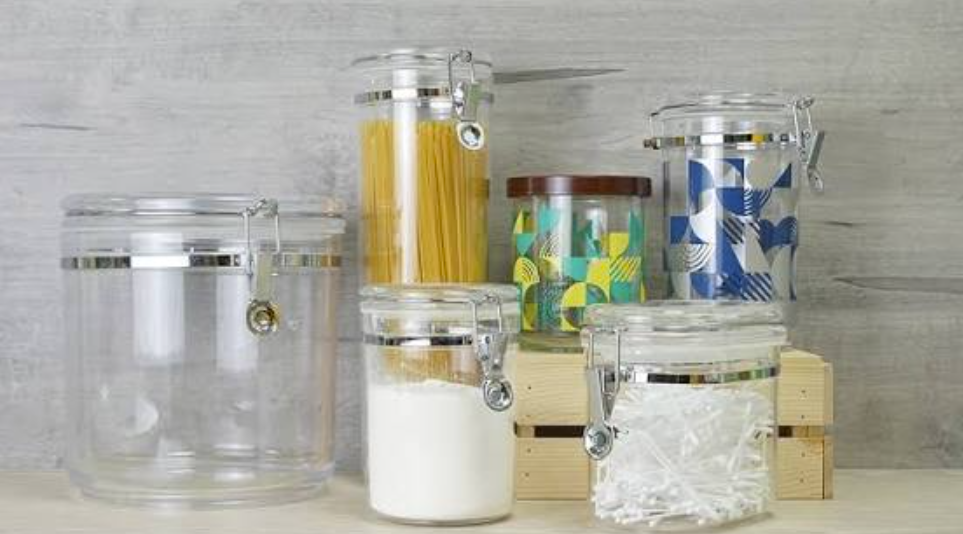
Your kitchen probably runs on more containers than you realize. Every leftover, every bag of atta that used to spill, every batch of overnight oats they all end up inside something. The wrong container means food that goes bad three days early, a fridge that smells like whatever’s leaking, and pantries where you can’t tell if that jar holds rice or bulgur. The right storage container earns its shelf. Most people don’t think about which kind belongs where until they’ve bought the wrong one twice.
Glass For What You Want To See, Reheat, And Trust
Glass is the workhorse of a working kitchen for a reason. It doesn’t stain, doesn’t hold smells, doesn’t warp in a hot dishwasher, and doesn’t leach anything into acidic or oily food. Borosilicate glass, in particular, moves from freezer to microwave to table without cracking which matters more than you’d think on a weeknight when you’re eating out of the same dish you cooked in.
A glass storage container earns its place holding cooked leftovers, marinating meat, meal-prepped lunches, and anything you’d rather see than guess at. One detail people overlook: the lid. A borosilicate jar with a cheap plastic lid isn’t microwave-safe as a unit even if the glass is, so you’ll be lifting the lid off every time. Bamboo looks elegant but doesn’t like water. Glass-on-glass seals with metal clips outlast both. The tradeoff is weight and breakage risk. Don’t stack them high in a cabinet with kids in the house.
See also: Car Lighting Tech That Makes Driving Safer
Stainless Steel For What You Carry, Freeze, Or Want To Outlast You
Steel doesn’t break, doesn’t smell, and doesn’t announce itself when it hits the floor. That makes it the right choice for lunch tiffins, kids’ snack boxes, and long-haul pantry duty on the shelves you can’t see through spices, dry pulses, bulk sugar. A steel storage container that came with your grandmother’s kitchen probably still works, and that’s really the point.
For hot food on the move dal, soup, sabzi vacuum-insulated steel keeps things genuinely warm for four to five hours, sometimes longer. Regular single-wall steel doesn’t. The downside is visibility. You can’t tell what’s inside without opening it, so label everything or you’ll spend Sunday mornings identifying mystery lentils. Steel also doesn’t microwave obvious, but people forget.
Plastic (BPA-Free) For Pantry Order And Weight-Sensitive Jobs
Plastic gets a bad rap it partly deserves, but food-grade, BPA-free plastic still has real jobs. It’s light. It’s cheap enough that you can buy a matching set for the pantry without wincing. It stacks well. And when it drops, you’re not sweeping glass out of the kitchen at ten at night.
Use a plastic storage container for dry pantry goods pasta, cereal, flour, rice where you’ll refill often and won’t be microwaving. Skip it for oily curries, tomato-based leftovers, and anything hot straight off the stove. Stains and warping show up fast. Replace it when you notice cloudiness, sticky patches after washing, or a smell that won’t rinse out those are signs the material is breaking down.
Airtight vs Regular The Seal Decides The Shelf Life
This is the detail most kitchens get wrong. A storage container isn’t automatically airtight just because it has a lid. A proper airtight seal usually a silicone gasket with clip-lock or screw closures is what keeps biscuits crisp, protein powder dry, and mango pickle from perfuming your yogurt.
Not everything needs it. Cooked leftovers going into the fridge for tomorrow are fine in a regular lidded container. But anything that lives on the counter or in the pantry longer than a week coffee, cereal, spice mixes, dried fruit belongs behind a real seal. Quick way to check whether a container actually seals: close it on a strip of paper. If you can pull the paper out without effort, the gasket isn’t doing its job.
| What you’re storing | Best material | Airtight needed? |
| Leftovers, 1–3 days in fridge | Glass | No |
| Dry pantry staples, weeks or months | Steel or glass | Yes |
| Lunches, snacks on the go | Steel | Yes |
| Marinades, hot food off the stove | Glass | Regular is fine |
Conclusion
You don’t need every kind. You need the right ones for the way you actually cook and eat.
Start with a small set of glass for leftovers and reheating. Add two or three steel pieces for lunches, snacks, and the pantry items you don’t need to see. Round it out with plastic for dry pantry organizing where weight and cost matter more than looks. Browsing a well-sized range of storage containers side by side helps, honestly, because sizes and seal quality vary more than product specs suggest.
The best container is the one you’ll reach for without thinking. Everything else just clutters the cabinet.