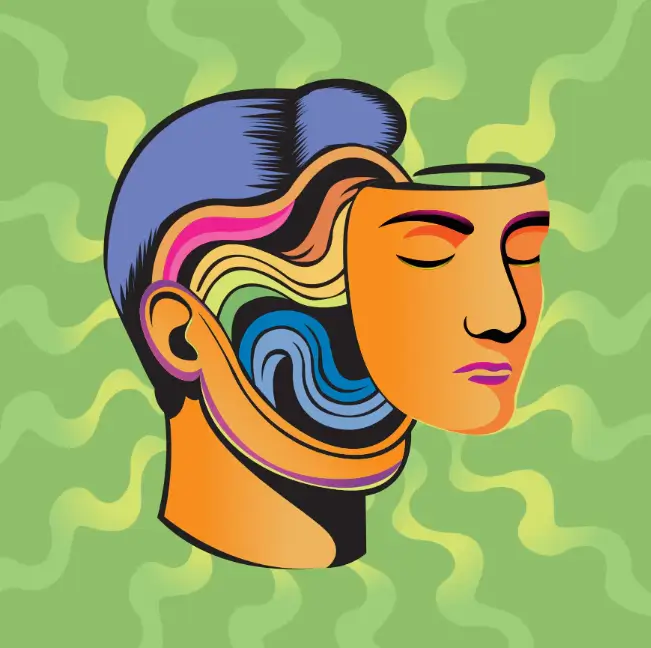
It is an area of medicine that specializes in the study, diagnosis, treatment, and prevention of mental disorders. Through their scientific work and care of their patients, they help people cope with their emotional problems, behavioral problems, and psychological disorders. There are several ways through which this can be achieved. Knowing about five such ways gives us information about how this field of medicine makes people better and happier in their lives.
Psychotherapy and Talk-Based Treatment
Psychotherapy is one of the key treatments in psychiatry as it enables individuals to understand their own thoughts, feelings, and behavior. In the course of therapeutic discussion, patients have an opportunity to examine their personal issues, detect problematic aspects of their psyche, and find ways of coping with them in a better way. Cognitive Behavioral Therapy (CBT), for instance, allows detecting problematic thoughts and developing appropriate reactions to them. There are also other kinds of therapy such as psychodynamic therapy and interpersonal therapy, which focus on examining one’s emotional experience, relationships, and problems. Treatment sessions can be conducted one-on-one, with couples, or even in a group.
Pharmacological Treatment and Medication Management
Medication is another important approach that can be adopted in managing psychiatric disorders. Antidepressants can be prescribed by psychiatrists to treat cases of depression and particular types of anxiety disorder, antipsychotic drugs to treat psychosis, and mood stabilizers for treating disorders such as bipolar disorder. Some drugs can be used to help patients deal with attention deficit hyperactivity disorder (ADHD), sleeping problems, and symptoms of particular mental disorders. Choosing the right type of drug involves taking into account various factors, such as the patient’s diagnosis, his or her health background, present symptoms, and possible side effects. Follow-up visits will enable doctors to determine whether treatment is working effectively and change doses or stop treatment in case of any side effects.
Legal Psychiatry and Forensic Assessment
Legal psychiatry is an area that concerns the association between mental health and the law. Legal psychiatrists examine psychological states where there is likely to be some connection to law cases, criminal culpability, decision-making ability, or injuries to others. Such an examination involves extensive interviews, examination of pertinent documents, and the correct use of clinical concepts. In disputed cases, courts and legal representatives may hire an experienced forensic psychiatry expert witness to provide an independent assessment and explain complex psychiatric findings in accessible language. In doing so, such specialists are supposed to differentiate their clinical judgments from legal judgments and stay unbiased in their practices. They will assist judges, attorneys, and others in understanding the importance of the mental health evidence.
Biological and Neurological Approaches
The study of biological psychiatry is aimed at the impact of genetics, brain functioning, hormonal processes, etc. on mental disorders. It takes into account the fact that psychiatric symptoms might be the result of complicated interaction between biological predisposition, external stressors, and life experience. Physical examination, lab tests, and neurological testing may be included in the course of evaluation in order to reveal any physical factors which could influence one’s mood, cognitive functions, or behavior. In some cases, specialists might use electroconvulsive therapy (ECT), especially in cases of severe depression which is resistant to other therapies. The use of other types of brain stimulation like transcranial magnetic stimulation (TMS) might be an option for some people.
See also: How Does Health Insurance Help During Emergencies?
Modern Psychiatry and Integrated Care
Modern psychiatry is merging knowledge and technology as well as involving cooperation between different specialists. Telepsychiatry helps people to visit qualified specialists via Internet despite their location and mobility. The use of technology also allows to monitor the symptoms, manage appointments and communicating when not seeing a doctor. Integration involves the involvement of many specialists, such as psychiatrists, psychologists, nurses, social workers, and general practitioners, to take into account all the needs of the patient. Thus, treatment may include changes in lifestyle, training, therapy, etc., along with drug treatment or psychotherapy. Despite the advantages of technologies, it is necessary to pay attention to privacy, accessibility and suitability of modern methods of treatment.
In conclusion, all five methods reflect the diversity of psychiatric practices, which include psychological therapy, medicines, biology, legal issues, and modern integrated care, each of them playing an important role and designed for different purposes. Nevertheless, the goal of each method is to help people with mental disorders live a better life. Proper methods, along with individualized care, can help psychiatric workers provide people with the necessary assistance.