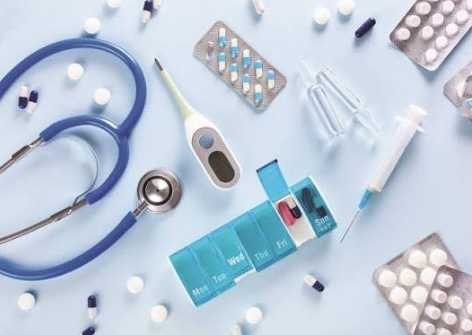
Emergency preparedness depends on having suitable medical equipment available when it is needed. For first-aid organizations, professional responders, medical distributors, and workplace safety teams, choosing a dependable supplier is an important part of maintaining that readiness. Products must be clearly identified, stored correctly, and supported by documentation that helps buyers verify their intended use.
A supplier’s role extends beyond delivering a shipment. Consistent product information, transparent purchasing terms, and dependable communication can help organizations maintain their inventories and prepare for unexpected incidents.
Why Medical Supply Quality Matters
Emergency medical products are often used in stressful situations where there is little time to search for information or replace missing equipment. Inconsistent packaging, unclear labels, and incomplete instructions can create avoidable confusion.
Organizations should establish purchasing criteria before selecting products. These criteria may include the intended application, user training, packaging integrity, storage requirements, product traceability, and regulatory obligations. Written criteria make it easier to compare suppliers and assess whether a product meets the organization’s needs.
Quality should be evaluated using verifiable information rather than appearance alone. A professional-looking package or persuasive product description does not independently establish clinical performance or regulatory compliance.
See also: Passenger Rights When an Accident Causes Life-Altering Injuries
Getting to Know Rusun TacMed
Organizations researching emergency medical equipment may explore Rusun TacMed as part of their supplier evaluation. As with any prospective supplier, buyers should identify the specific products they need and review the relevant specifications, instructions, and documentation before making a purchasing decision.
A structured evaluation helps procurement teams avoid assumptions based solely on a supplier’s catalogue. Each product should be considered individually because different medical devices have different intended uses, limitations, and applicable requirements.
Start with product requirements
Create a list of required products, quantities, packaging preferences, delivery dates, and documentation. Include the environment where the equipment will be stored and the training level of its intended users.
Confirm product identity
Request the manufacturer’s name, exact model, and current product specifications. Check that the documents correspond to the model included in the quotation.
Review compliance information
Depending on the product and destination market, buyers may need specific registration, conformity, or quality-management documents. Verify the applicable requirements rather than assuming that one certificate covers every product or jurisdiction.
Selecting Equipment for Different Environments
Emergency medical inventories should reflect the risks of the environment in which they will be used.
Industrial facilities may prioritize accessible first-aid stations and procedures for reporting workplace injuries. Outdoor teams may need compact equipment and storage arrangements suitable for travel. Professional response organizations may have additional requirements for standardization, documentation, and training.
A risk assessment can help determine which supplies are appropriate. Qualified safety professionals or medical advisers can assist when the organization needs guidance beyond its internal expertise.
The goal is to avoid both under-preparation and unnecessary purchasing. A clearly defined inventory is easier to inspect, replenish, and maintain than a collection of products chosen without a consistent plan.
Building a Responsible Procurement Process
A reliable procurement process includes several stages.
Supplier assessment: Verify the company’s identity, communication channels, product range, and ability to provide relevant documents.
Specification review: Compare product details, intended uses, packaging, storage conditions, and any applicable conformity requirements.
Quotation comparison: Review total costs, order quantities, shipping arrangements, delivery timelines, and replacement policies.
Incoming inspection: Check that delivered goods match the purchase order and that the packaging and documentation are satisfactory.
Ongoing monitoring: Maintain records of stock, expiry dates where applicable, supplier issues, and replenishment needs.
This process can be adapted to the size of the organization. Even a small purchasing team can benefit from written requirements and a simple inventory checklist.
Storage and Inventory Management
Medical products should be stored according to their manufacturers’ instructions. Exposure to unsuitable temperatures, moisture, crushing, or damaged packaging may affect a product’s suitability for use.
Assign responsibility for routine inspections. Each inspection should confirm that the required supplies are present, packaging is intact, and any stated expiry dates remain valid. Record shortages and arrange replacements promptly.
For organizations operating across multiple locations, standardized kits and inventory records can simplify replenishment. Consistent product naming also reduces the chance of ordering the wrong item.
After an incident or training exercise, review the affected kits and replace used or compromised supplies according to product instructions and organizational procedures.
Training and Operational Readiness
Equipment should be integrated into an emergency response plan. Staff need to know where supplies are stored, how to contact emergency services, and which actions fall within their training.
Training should use appropriate instructional materials and follow recognized guidance. Specialized devices should be used according to their own instructions, not general assumptions about similar products.
Organizations should periodically review their emergency procedures. Exercises can reveal whether supplies are easy to locate, responsibilities are clear, and communication arrangements work as intended.
FAQs
1. What should buyers review before selecting an emergency medical supplier?
They should verify the supplier’s identity, exact product models, specifications, relevant documentation, delivery terms, and ability to meet the organization’s purchasing requirements.
2. Why is product traceability important?
Traceability can help organizations identify products, manage inventory, investigate supply issues, and respond appropriately if a product concern arises.
3. How can an organization maintain medical supply readiness?
Use documented inventory checks, follow storage instructions, replace used or damaged items, monitor expiry dates where applicable, and provide appropriate training to intended users.
Conclusion
Reliable emergency preparedness begins with a clear understanding of organizational risks and product requirements. By evaluating suppliers carefully, verifying documentation, maintaining organized inventories, and training staff, organizations can make more informed decisions about emergency medical equipment. A consistent process supports accountability and helps ensure that supplies remain suitable for their intended use.