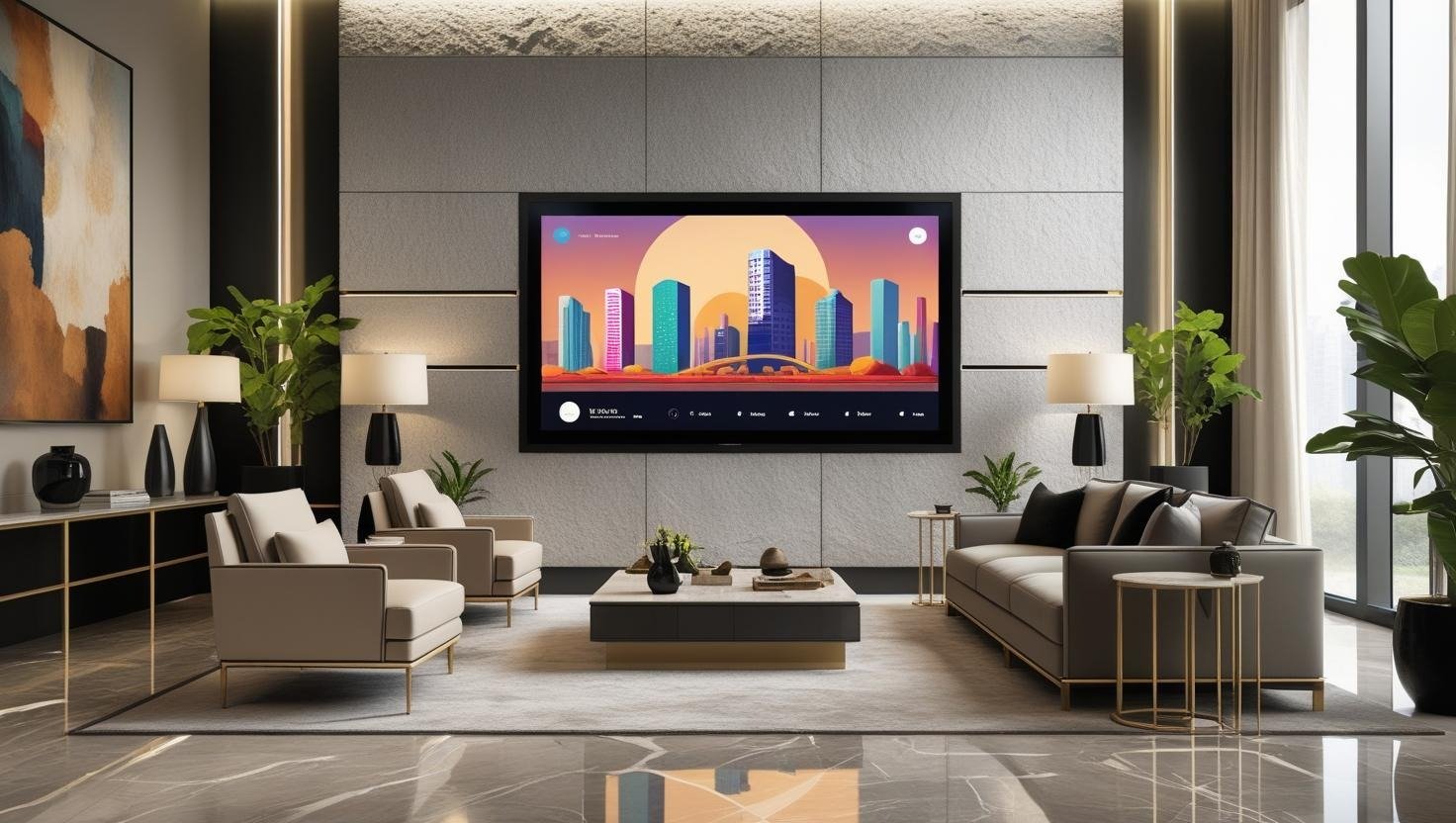
A well-organized entertainment area can make a home more comfortable while adding a modern touch to its interior. Whether a television is used for watching movies, following sports, enjoying online content, or playing video games, its placement has an important influence on the overall experience. A screen positioned correctly can improve visibility, create additional space, and make a room look more organized. However, achieving a professional appearance requires attention to several details, including wall construction, mounting hardware, screen alignment, and cable placement. Homeowners interested in TV Mounting Kelowna often want an arrangement that combines dependable support with an attractive finish. Auxe understands that every property has different requirements, and a successful mounting project should complement the room rather than simply provide a place to attach a television. Careful planning and proper installation techniques help create an entertainment space that remains useful and visually appealing.
Building an Entertainment Area Around Your Lifestyle
Every household uses its entertainment space differently. Some families prefer a central television arrangement where everyone can watch together, while others want separate setups for bedrooms, recreation rooms, or personal spaces. Understanding these habits helps determine the most suitable mounting arrangement.
The first consideration should be the room’s everyday activities. A living room may require a television that is visible from several seating positions. A bedroom might need an adjustable screen that can be viewed comfortably from the bed. A home office may use a television for presentations or as an additional display.
Furniture placement also plays an important role. Sofas, chairs, tables, and storage units should remain practical after the television is installed. Leaving enough space around the entertainment area prevents the room from feeling crowded.
A thoughtfully planned arrangement makes the television feel like a natural part of the interior. Instead of choosing a location simply because it is available, homeowners should consider how the screen will fit into their daily routines.
Selecting a Wall That Complements the Interior
The wall chosen for a television can influence both its appearance and functionality. A central wall often provides a natural location, but other factors should be considered before making a final decision.
Windows are particularly important because natural light can create reflections on the screen. A television placed directly opposite a bright window may become difficult to watch during certain hours. Selecting a location that reduces glare can improve visibility without requiring major changes to the room.
The surrounding decoration should also be considered. A television can look attractive against a plain wall, a textured surface, or a decorative feature wall. The choice depends on the home’s interior style and the amount of available space.
Wall dimensions matter as well. A large television should have enough surrounding clearance so it does not appear squeezed between shelves or decorative objects. Smaller screens should also be positioned carefully to maintain visual balance.
Taking measurements before installation helps homeowners understand how the television will look once mounted. It also reduces the chance of choosing a location that later interferes with furniture or room movement.
Understanding the Different Mounting Systems
Choosing an appropriate bracket is essential for a stable and convenient television arrangement. Mounting systems are available in several designs, and each serves a different purpose.
Fixed brackets are ideal for homeowners who want a simple appearance. They keep the television close to the wall and do not require frequent adjustments. This option is suitable when the main seating position remains consistent.
Tilting brackets provide vertical movement. They can help improve viewing angles when the television is installed slightly above the preferred height. This design may also reduce certain reflections by allowing the screen angle to change.
Full-motion brackets offer additional flexibility through adjustable arms. The television can be pulled forward, rotated, and tilted toward different parts of the room. This arrangement is useful in open-concept homes where several seating areas may be present.
The bracket must match the television’s weight and mounting pattern. Checking the VESA specifications and manufacturer recommendations before purchasing equipment helps prevent compatibility problems.
Selecting the correct mounting system makes the television easier to use while providing suitable support for the screen.
Creating a Comfortable Viewing Environment
The position of a television should support comfortable viewing throughout the day. A screen that looks attractive on the wall may still create difficulties if it is installed at an unsuitable height.
For living rooms, the centre of the display is often positioned close to the eye level of someone sitting on the main sofa. However, screen dimensions, seating height, and personal preferences can influence the final measurement.
Bedrooms require a different approach because viewers may watch television while reclining. The screen may need to be positioned higher, with a tilting bracket helping direct the display toward the bed.
Viewing distance is another consideration. A television should be large enough to provide a clear picture from the seating area without overwhelming the room. The available wall space and furniture arrangement should guide the decision.
Lighting conditions can also affect comfort. Strong overhead lights and sunlight may create unwanted reflections. Adjusting the television’s location and managing room lighting can help provide a better viewing environment.
See also: Financial Planning for Business Growth
Preparing Different Wall Materials for Installation
A secure television mounting arrangement begins with understanding the surface that will support it. Residential properties contain different wall materials, and each requires an appropriate installation method.
Drywall installations usually require the mounting bracket to connect with suitable structural studs. The location of these supports must be identified before drilling. Attaching a heavy television to unsupported drywall can result in an unstable setup.
Brick and concrete walls require compatible masonry anchors and suitable drilling equipment. Their solid construction can provide reliable support when the correct hardware and installation methods are used.
Older homes may contain plaster, decorative coverings, or unusual framing. These surfaces should be inspected carefully to identify possible weaknesses and suitable attachment points.
Hidden electrical wires and plumbing must also be considered. Appropriate detection and inspection methods help reduce the possibility of damaging concealed services.
A proper wall assessment allows the installer to select suitable equipment and establish a secure mounting position without unnecessary alterations.
Keeping Wires Out of Sight
An organized television wall should not be covered with loose cables. Power connections, HDMI wires, streaming accessories, and audio equipment cables can quickly make an otherwise attractive arrangement look untidy.
Cable management should be planned before the television is mounted. This helps determine where the cables need to travel and whether additional accessories will be required.
Surface cable covers are a convenient option for keeping wires together. They can be positioned along the wall and selected to match its colour. This creates a cleaner appearance without requiring major construction work.
In-wall cable routing may also be possible when suitable approved materials and installation methods are used. Electrical wiring must meet applicable safety requirements. Ordinary television power cords should not be hidden inside walls using inappropriate methods.
Cable lengths should match the equipment arrangement. Excessive wire can create unnecessary loops, while cables that are too short may make connections difficult to access.
A tidy cable arrangement improves the finished appearance and makes future equipment changes more manageable.
Integrating Soundbars and Home Theatre Equipment
A television often works alongside other entertainment devices. Soundbars, speakers, gaming consoles, and streaming players should all be considered when planning the mounting arrangement.
Soundbars are commonly positioned directly beneath the television. They provide an additional audio option without taking up much space. Depending on the equipment, a compatible bracket can help keep the soundbar aligned with the screen.
Home theatre systems require more detailed planning. Speakers should be positioned to suit the room dimensions and seating arrangement. Their placement should not be blocked by large furniture or decorative objects.
Subwoofers also need suitable positioning. Placing them in an enclosed area without considering their design may affect sound performance.
Gaming consoles and streaming devices should remain accessible for everyday use. Their connections should be easy to reach, and ventilation areas should not be blocked.
Planning these accessories before mounting the television helps create a coordinated entertainment system instead of an arrangement that requires repeated adjustments.
Making TV Installation Efficient and Reliable
A professional TV Installation Kelowna project involves several important stages. Preparation, accurate measurements, suitable hardware, and careful handling all contribute to a successful outcome.
The process begins with reviewing the television’s specifications. Screen dimensions, weight, VESA compatibility, and connection requirements help determine the appropriate mounting equipment.
Next, the installer examines the wall and identifies a suitable location. The preferred screen height and viewing angle are measured according to the room’s layout.
Mounting points are marked carefully before drilling. A level is used to help maintain proper alignment, while the wall is checked for hidden obstacles that could affect the work.
The bracket is then secured using hardware appropriate for the wall material. Once the support is ready, the television can be lifted into position and attached according to the manufacturer’s instructions.
The final stage involves checking the screen’s stability, connecting the necessary devices, and confirming that the television operates correctly.
Following an organized process helps reduce mistakes and creates a more dependable installation.
Adapting Television Setups to Smaller Homes
Not every property has a large living room or dedicated entertainment space. Smaller homes often require creative arrangements that make better use of available areas.
Wall mounting can help reduce the need for bulky television stands. The furniture previously used to support the screen can become available for storage or other household purposes.
In narrow rooms, an adjustable bracket may help direct the television toward the main seating position. However, the amount of available movement should be considered before selecting the mounting system.
Compact bedrooms can also benefit from wall-mounted screens. Removing a television stand may provide more space for bedside furniture or everyday movement.
The size of the television should remain proportional to the wall and seating distance. A screen that is too large can dominate a small room, while an undersized display may not provide a satisfactory viewing experience.
A balanced setup allows homeowners to make better use of their interiors without sacrificing convenience.
Creating Practical Setups for Bedrooms and Workspaces
Different rooms have different requirements, and television placement should reflect their intended use.
In bedrooms, the main objective is to create a clear viewing position from the bed. Adjustable brackets can help direct the screen toward the viewer, particularly when the television is mounted higher than usual.
Home offices may use televisions for presentations, online meetings, training materials, or additional display space. The screen should remain visible from the desk without interfering with normal work activities.
Connection access is particularly important in office environments. Power outlets, HDMI connections, and network access should be considered before selecting the final location.
Recreation rooms may require arrangements that support gaming and group entertainment. In these spaces, screen visibility, equipment ventilation, and convenient access to accessories should all be included in the plan.
A room-specific approach helps ensure that each installation provides practical benefits.
Protecting Your Property During the Mounting Process
The installation process should be completed with care for the surrounding property. Drilling and handling equipment can create dust, scratches, or accidental damage if the working area is not properly prepared.
Furniture should be moved away from the wall where possible. Fragile decorations and electronic devices should be relocated before installation begins.
The proposed mounting points should be reviewed carefully. Accurate measurements reduce the possibility of drilling unnecessary holes or damaging decorative surfaces.
Large televisions require careful handling. Their size and weight can make lifting difficult, so appropriate assistance should be used when positioning the screen.
After the installation, the area should be checked for dust, packaging, and unused materials. Cleaning the surrounding space helps leave the room looking presentable.
Protecting the home throughout the project is just as important as securing the television itself.
Adding Professional Finishing Touches
The final presentation of a television installation depends on several details that may seem small but have a noticeable effect on the finished result.
Screen alignment should be checked from the main seating position. A television that is slightly uneven can stand out, particularly when mounted on a large feature wall.
The cables should follow an organized route without unnecessary bends or loose sections. Soundbars and external devices should also be arranged neatly, leaving enough space for ventilation and maintenance.
The television’s connections should remain accessible whenever possible. This makes it easier to connect another device or replace an existing cable without disturbing the entire arrangement.
The surrounding wall should be inspected for visible marks and leftover installation materials. Removing dust and clearing the work area helps create a clean appearance.
Auxe understands that a complete mounting project involves more than attaching a screen. Attention to alignment, cable organization, and surrounding details helps create an entertainment area that feels properly finished.
Choosing Auxe for Your Television Mounting Needs
A television mounting project involves technical decisions that can influence the safety, appearance, and convenience of the final setup. Selecting the wrong bracket, overlooking wall construction, or choosing an unsuitable screen height can create problems after installation.
Professional assistance can help homeowners make informed decisions before work begins. An installer can examine the wall, review the television specifications, and recommend a suitable mounting arrangement.
Auxe focuses on practical television mounting solutions that consider the requirements of individual homes. From planning the screen location to arranging connected equipment, every stage contributes to a more organized entertainment area.
Homeowners can also discuss their preferred viewing position, cable management requirements, and additional accessories before installation. Clear communication helps establish an arrangement that matches the property’s layout.
The goal is to create a setup that works naturally with the home and supports everyday entertainment without unnecessary complications.
Conclusion
A successful television mounting project combines careful preparation, suitable equipment, and attention to the details that complete the room. Choosing the right wall, maintaining comfortable viewing angles, securing the bracket properly, and organizing connected cables all contribute to a better entertainment experience. Every home has different requirements, making it important to select an installation approach that suits the available space and daily activities. Homeowners exploring TV Mounting Kelowna can benefit from looking beyond the screen itself and considering the overall appearance of their entertainment area. With professional support from Auxe, TV Installation Kelowna can help create a clean, secure, and functional television arrangement. Thoughtful planning and smooth finishing touches make the difference between a basic mounting job and an entertainment space that complements the home.