Few aspects of salon setup cause as much confusion for first-time owners as pedicure chair plumbing, yet getting this right from the outset is essential both for smooth daily operation and for passing the inspections many jurisdictions require before a salon can legally open.
Why Plumbing Compliance Cannot Be an Afterthought
Unlike purely cosmetic equipment choices, plumbing decisions are often governed by local health and building codes that dictate everything from backflow prevention to drainage requirements. Overlooking these requirements during planning can lead to costly rework or delayed inspections once installation is already underway.
Common Plumbing Configurations
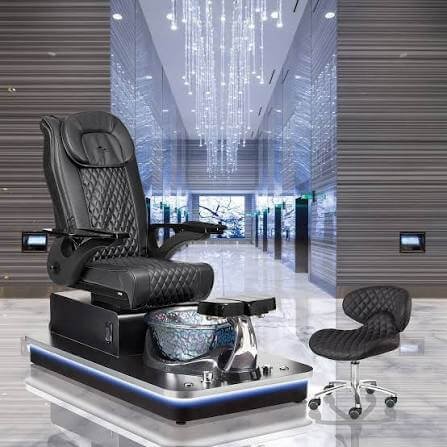
Pedicure chairs with integrated basins typically require both water supply and drainage connections, and the specific configuration can vary depending on whether a chair uses a pipeless jet system or a traditional plumbed basin. Understanding which configuration your chosen equipment requires early in the planning process avoids mismatches with existing building infrastructure.
Working With Qualified Installers
Because plumbing work often intersects with local code requirements, working with a licensed plumber familiar with commercial salon installations is generally far safer than attempting a purely DIY approach. Reviewing a detailed pedicure chair plumbing compliance guide alongside your installer helps ensure nothing is missed during the planning conversation.
See also: Financial Planning for Business Growth
Planning for Inspections
Most jurisdictions require some form of inspection before a salon can open, and plumbing is frequently one of the areas inspectors scrutinise most closely. Building compliance considerations into your planning from day one, rather than treating inspection as a final hurdle, tends to produce a much smoother path to opening.
Frequently Asked Questions
Do all pedicure chairs require plumbing connections? No, some models use pipeless jet systems that avoid traditional plumbing entirely, which can simplify installation considerably.
Should I hire a licensed plumber for salon installation? Yes, given the code requirements typically involved, working with a licensed professional familiar with commercial installations is strongly recommended.
What happens if plumbing does not meet code during inspection? Non-compliant installations typically need to be corrected before a salon can receive final approval to open, which can cause significant delays.
Final Thoughts
Getting pedicure chair plumbing right from the planning stage protects salon owners from costly rework and inspection delays down the line. Working closely with qualified professionals and reviewing compliance requirements early remains the most reliable path to a smooth opening.