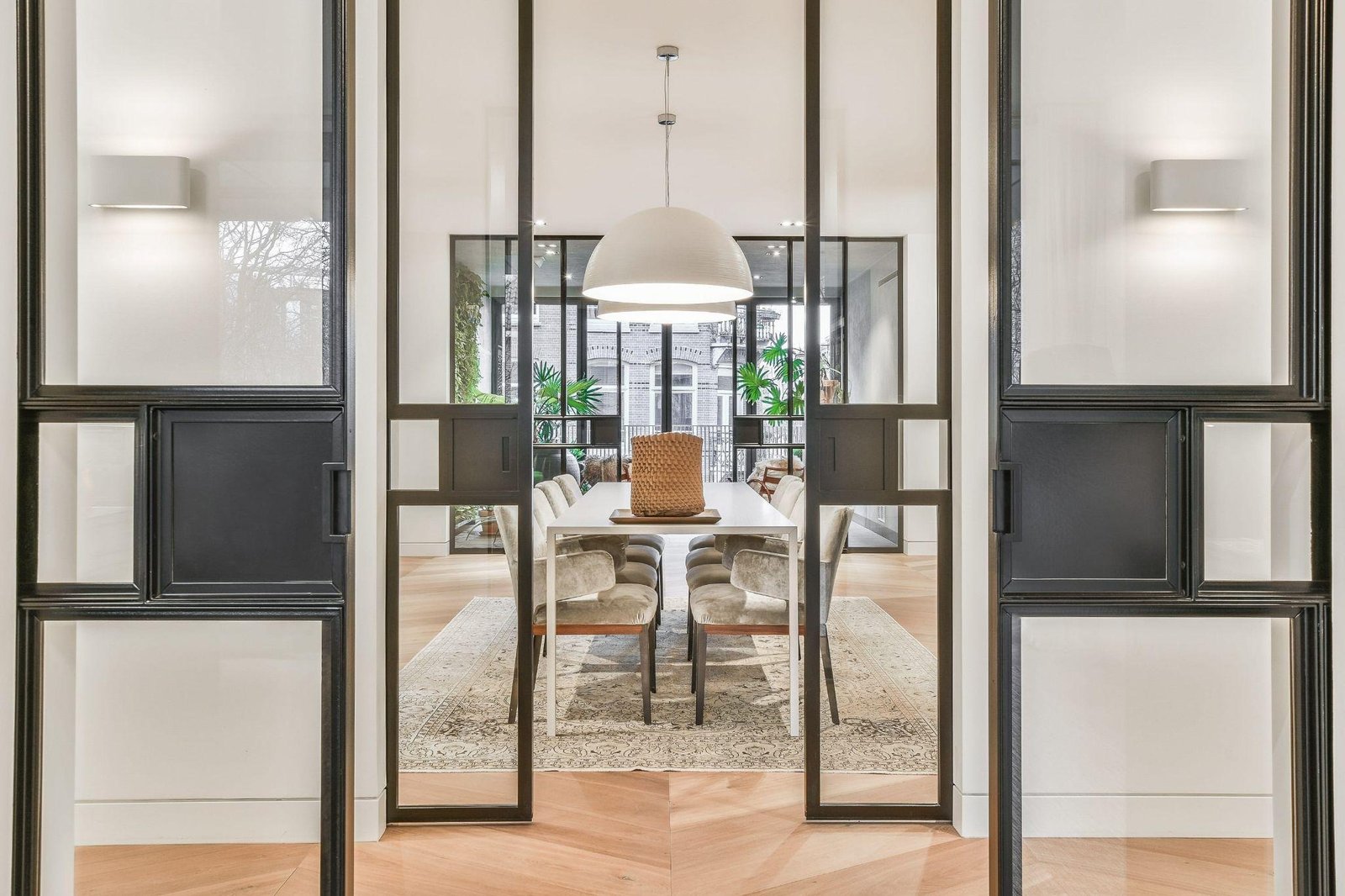
If you’ve started pricing bifold doors in Sydney, you’ve probably noticed the quotes are all over the place. One company says $4,000, another says $11,000, and both are talking about a “three-metre bifold.” Neither is necessarily wrong. Bifold pricing depends on a handful of choices that aren’t obvious until you see them side by side.
Here’s how the costs usually break down, and where your money actually goes.
The Rough Numbers
For quality aluminium bifold doors in Sydney, supplied and installed, most homeowners land somewhere in these ranges:
- Small opening (about 2.4 m wide): $3,500 to $6,500
- Standard opening (about 3 to 3.6 m wide): $5,000 to $9,500
- Large opening (4.5 m and wider): $8,500 to $16,000 or more
These are ballpark figures to help you plan, not a quote. Prices shift with material costs, site conditions and specification, so treat anything you read online, including this, as a starting point and get current quotes.
A simpler way to think about it is cost per square meter. Most aluminium bifolds work out at roughly $1,200 to $2,500 per square meter installed, with the upper end covering double glazing, premium hardware and tricky installs.
What Pushes the Price Up or Down
- Size and number of panels. More width means more glass, more frame and more hinges. A six-panel door costs more than a four-panel one, but not always twice as much, because the frame and fittings don’t scale in a straight line.
- Single or double glazing. This is often the biggest swing. Double glazing can add 20 to 40 percent to the cost of the door, but it improves comfort, cuts noise and helps with energy bills. In a Sydney summer or a noisy street, many people find it worthwhile.
- Glass type. Standard clear safety glass is the baseline. Low-E coatings, tinted glass, laminated glass for security or noise, and bushfire-rated glass all cost more. If you’re in a bushfire-prone area of the Blue Mountains, Northern Beaches or Hills District, ask early what rating your site requires, because it can change the whole specification.
- Frame finish. Standard powder-coat colours are the economical choice. Custom colours, dual colours (different inside and out) and premium textured finishes cost extra. If you’re near the coast, in Cronulla or Manly say, a marine-grade finish is money well spent.
- Hardware. Hinges, rollers, handles and locks carry a lot of the weight, literally. Heavy double-glazed panels need strong top-hung or bottom-rolling systems. Cheap hardware is where a bifold quietly starts to fail after a few years.
- Thermal breaks. Frames with an insulating barrier cost more upfront but make the door perform better in heat and cold.
- Flyscreens and blinds. Pleated or retractable screens are practically a must for evenings, and they’re usually priced separately.
Costs People Forget to Budget For
The door itself is only part of the bill. Here’s what often gets missed:
Removal of the old door or wall. Taking out an existing sliding door is relatively simple. Cutting a bigger opening in a brick or double-brick wall is not.
Structural work. Widening an opening means a new lintel or steel beam, which usually needs an engineer’s input. Depending on the span, this can add $1,500 to $6,000 or more.
Making good. Plastering, painting, flooring edges and external render all need attention once the door is in. Ask who’s responsible for what, because quotes vary on this.
Council or certifier approvals. Many bifold swaps are straightforward, but structural changes, heritage-listed homes and some strata properties need approvals or owner’s corporation consent. In an apartment, check your strata by-laws before you order anything.
Access. Narrow side passages, upper floors and steep driveways make delivery and installation harder, and some installers price that in.
Bifold vs Stacker vs Sliding: Where Does the Price Sit?
Bifolds usually cost more than a standard sliding door and are often comparable to, or a little above, a stacker door of similar width. The trade-off is that a bifold folds away to give you a far larger clear opening, sometimes close to the full width. If open-plan entertainment is the goal, many people feel the extra cost is justified. If you just need everyday access, a slider may be all you need.
Why the Cheapest Quote Can Cost the Most
Imported or flat-pack bifold kits can look appealing on price, but they often come with thinner frames, lighter hardware and standard sizes that don’t match your opening. That leads to gaps, adjustments and eventually repairs. A made-to-measure door built for Australian conditions tends to seal better, last longer and be easier to service.
This is why many Sydney homeowners prefer working with a local fabricator such as Aussie Aluminium Enterprise. Custom sizing means the door is built for your opening rather than the other way around, and having a local team makes measuring, installation and any later adjustments much simpler.
How to Get a Quote You Can Compare
To make quotes fair, give every supplier the same information:
- Exact opening width and height, or photos if you’re unsure
- Number of panels and the direction they should fold
- Single or double glazing, and the glass type
- Frame colour and finish
- Whether installation, removal and making good are included
- Your suburb and whether the property is in a bushfire or coastal zone
Then compare what’s included rather than just the bottom line. Ask about warranty length, lead time, and who handles problems after installation.
The Bottom Line
For most Sydney homes, expect to spend between $5,000 and $10,000 for a quality aluminium bifold door, with larger or higher-spec installations climbing from there. Glazing, size, hardware and structural work are the factors that move the price most.
If you’re planning a project, a quick chat with a local specialist like Aussie Aluminium Enterprise will give you a realistic figure for your specific opening, along with honest advice on where it’s worth spending and where it isn’t.