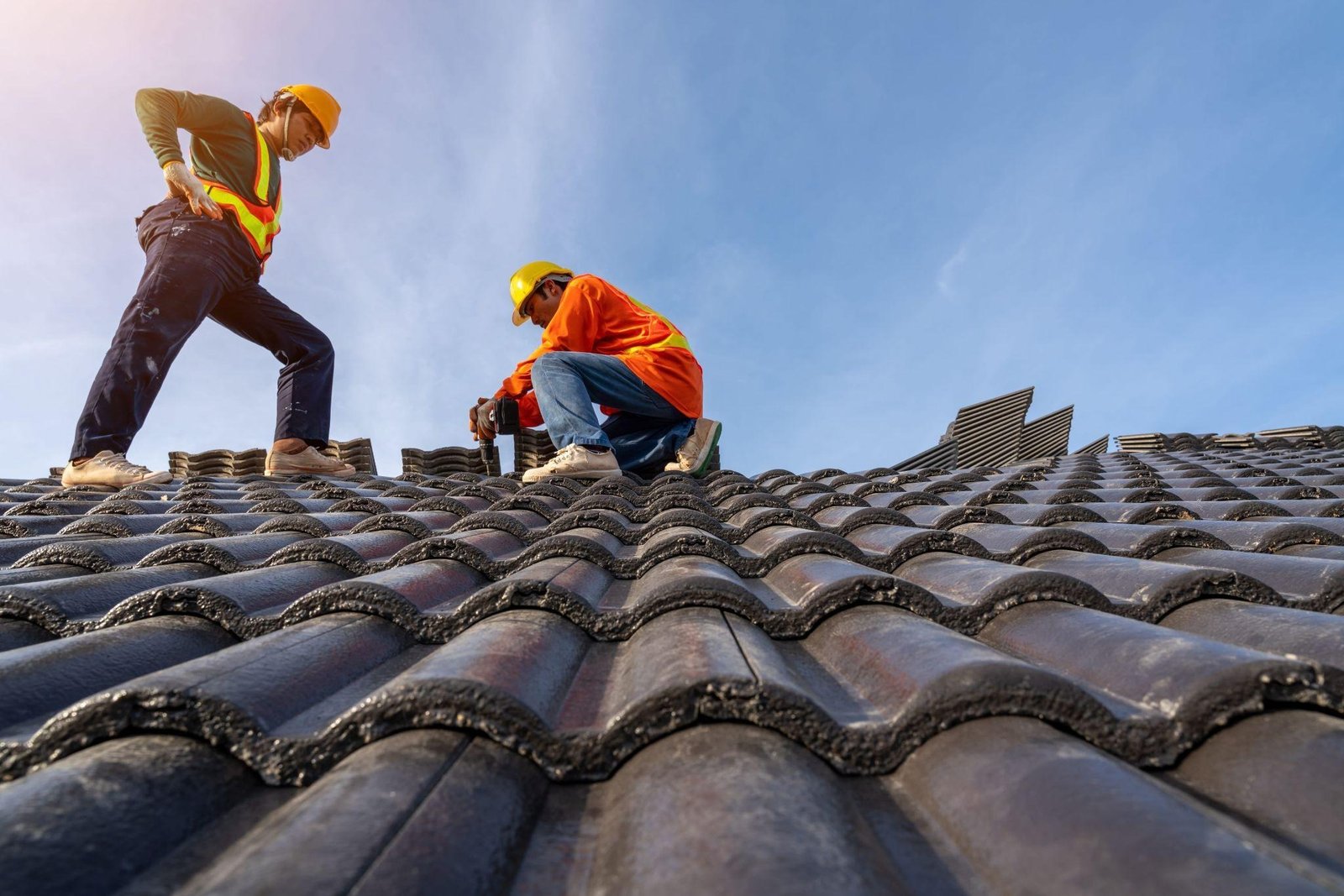
Ask three to ten roofers what a restoration will cost and you’ll probably get different numbers. That isn’t always because someone is padding the quote. Roof restoration costs depend on a surprising number of variables, and two houses on the same street can end up with very different bills.
If you’re weighing up a restoration for your home, here’s what actually moves the price, and what you can do to keep it sensible without cutting corners.
1. The Size and Shape of Your Roof
This is the obvious one, but it’s more nuanced than square metres alone. A simple gable roof with two flat planes is far quicker to clean, repair and coat than a roof with multiple hips, valleys, dormers and turrets. Every extra angle means more edges to work around, more flashing to inspect, and more time moving scaffolding or safety gear.
A 200 m² roof that’s one clean sweep of tiles can cost less than a 160 m² roof broken up into six sections. When you get a quote, ask whether the price is based on total area or on the complexity of the job. A good contractor will explain both.
2. Roof Pitch and Access
Steep roofs are slower and riskier to work on. Crews need extra harnesses, roof ladders and sometimes edge protection, and they can’t carry as much material up at once. A steep pitch can add a noticeable percentage to labour.
Access matters too. If a truck can pull right up to the house and the roof is reachable with a standard ladder, great. If your home sits on a sloping block, has a tight driveway or is a double-storey with limited side access, the crew will spend longer on setup. Time on site is money, and that gets built into the price.
3. The Roofing Material
Concrete tiles, terracotta tiles, Colorbond and older metal sheeting each need a different approach.
Concrete tiles are common across Queensland and generally respond well to high-pressure cleaning, sealing and repainting. Terracotta tiles are more brittle and need gentler handling, and the glazed or natural finish may call for specialised sealers rather than standard paint. Metal roofs usually need rust treatment, fastener replacement and a suitable primer before a new coating goes on.
The material also affects how much product you need. Porous, weathered tiles soak up sealer and paint, which pushes the material cost up compared to a smooth, newer surface.
4. The Current Condition of the Roof
This is often the biggest swing factor in Roof Restoration Costs. A roof that’s been maintained and is simply faded will be much cheaper to restore than one covered in moss, lichen and years of built-up grime, with cracked tiles and crumbling pointing.
Common condition issues that add to the bill include:
- Broken, chipped or slipped tiles that need replacing
- Deteriorated ridge capping and bedding mortar that has to be removed and redone
- Rust on metal sheets or screws
- Sagging or damaged battens
- Persistent mould and algae growth that needs extra treatment
A thorough inspection before quoting is worth its weight in gold. If a contractor gives you a firm price over the phone without ever seeing the roof, be a little cautious. Hidden problems tend to appear later as “variations,” and nobody enjoys that conversation.
5. Repairs Versus Pure Cosmetic Work
Some homeowners want a roof that looks fresh. Others need one that actually performs. These are different jobs with different price tags.
A cosmetic refresh, such as a wash and a coat of paint, costs less. But if you skip the repairs underneath, you’re essentially painting over a problem. Restoring ridge capping, replacing damaged tiles, resealing flashings and fixing leaks is where the real value lies, and it’s also where costs climb. A reputable company like Brisbane Roof and Paint will usually separate these items on a quote so you can see what’s structural and what’s cosmetic.
6. Quality of Paint and Sealants
Not all roof coatings are equal. Premium membranes and sealers are formulated to handle UV, heavy rain and heat, which matters a lot in a subtropical climate. They cost more per litre, but they also tend to last longer and hold their colour better.
Cheaper products can look fine for the first year and then start chalking, peeling or fading. If you’re comparing quotes, check that you’re comparing like with like. Ask for the brand, the number of coats and the warranty period. A low price often reflects a thinner application or a budget product, and that gap shows up a few years down the track.
See also: Financial Planning for Business Growth
7. Number of Coats and Preparation Work
Preparation is where a good restoration is won or lost. Proper high-pressure washing, biocide treatment, repairs and priming all take time. A job that includes full prep and a three-stage coating process naturally costs more than a quick spray-and-go.
Always ask what the process involves. If the quote is vague about preparation, that’s a red flag. Paint applied over dirt or loose material simply won’t bond, no matter how expensive the paint is.
8. Labour, Timing and Season
Labour rates vary between companies depending on experience, insurance, and whether crews are directly employed or subcontracted. Cheaper isn’t always better here, since proper insurance and trained staff protect you if something goes wrong.
Timing plays a part too. In Brisbane, summer storms and afternoon downpours can interrupt work and stretch a job over more days. Drier months are typically more popular, so booking early or being flexible with dates can sometimes help your wallet.
9. Warranty and Aftercare
A solid workmanship warranty is a sign a company stands behind its work, but it’s priced into the job. Companies offering longer warranties usually use better materials and stricter processes, which lifts the upfront cost. In most cases that’s money well spent, because you’re paying for peace of mind.
10. Location and Local Conditions
Where you live influences pricing. Homes closer to the coast face salt exposure that speeds up corrosion and wear. Properties under large trees collect leaf litter and moisture, encouraging moss and stains. These conditions can mean extra treatment steps and, in turn, a higher cost.
How to Keep Costs Reasonable
You can’t control the size of your roof, but you can make smart choices. Get at least two or three detailed written quotes, ask what’s included, and don’t choose purely on price. Schedule restoration before small problem turns into leaks, because early maintenance is nearly always cheaper than late repairs.
Most importantly, work with a team that explains things clearly. Brisbane Roof and Paint, for example, can walk you through an inspection and explain exactly why each line item exists, which helps you understand where your money is going.
Final Thoughts
Roof Restoration Costs aren’t random. They’re the sum of size, condition, materials, preparation, labour and the quality of products used. Understanding these factors puts you in a stronger position to read a quote, ask sharp questions and spot a bargain that’s too good to be true.
A well-done restoration protects your home, improves its appearance and can add real value if you ever sell. Spend a little time getting the details right now, and your roof will repay you for many years.