Introduction
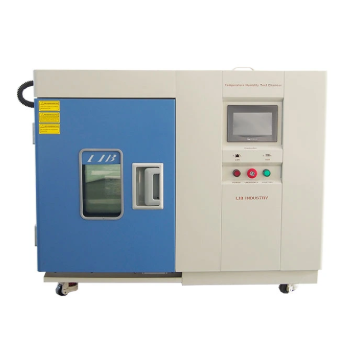
A LIB industry Temperature Test Chamber can be an important tool for manufacturers that want to evaluate product behavior under controlled environmental conditions. Temperature is one of the factors that can influence the performance and durability of many products, making thermal testing useful during research, development, and quality-control processes.
A controlled chamber allows engineers to establish repeatable conditions instead of relying on uncontrolled room environments. This can make it easier to compare products, identify potential weaknesses, and document test results.
From Prototype to Production
Thermal testing can be useful at different stages of product development.
During the prototype stage, engineers may use testing to identify design weaknesses. Later, testing can help verify whether design changes have improved performance.
Manufacturers can also incorporate environmental testing into quality-control procedures when consistent product performance is important.
See also: Clothing Design for Modern Lifestyles
Why Controlled Conditions Matter
Natural environmental conditions can change throughout the day. Room temperature may fluctuate, and different testing locations can have different conditions.
A controlled chamber reduces these variables by allowing the laboratory to define a specific temperature environment.
This is particularly useful when several samples need to be compared. Keeping the testing conditions consistent helps researchers focus on differences between samples rather than differences in the testing environment.
Evaluating Materials
Materials can respond differently to temperature changes.
Some may expand or contract, while others can change their physical or mechanical characteristics. By exposing samples to controlled temperatures, researchers can observe these changes and determine whether the material is suitable for a particular application.
The test procedure should be designed according to the material and the intended application.
Electronics and Components
Electronic products can also be affected by temperature.
Engineers may need to investigate whether a component continues to operate as expected when exposed to temperatures outside normal laboratory conditions.
Thermal testing can be combined with electrical measurements to observe the behavior of a product while it is exposed to a controlled environment.
Test Duration
The duration of a test should be established according to its objective.
Short tests may be sufficient for certain performance evaluations, while longer exposure may be required for other reliability studies.
A clear test plan should define the temperature conditions, duration, sample information, and measurements before testing begins.
Repeatability
Repeatability is an important part of laboratory testing.
If the same test can be performed under the same programmed conditions, researchers can compare results more effectively.
Programmable temperature controls can be useful when laboratories need to repeat identical temperature sequences for different samples.
Data Collection
Testing becomes more useful when results are properly recorded.
Researchers should document the test conditions and relevant sample measurements. Depending on the equipment and laboratory setup, data may be recorded manually or through connected monitoring systems.
Good records make it easier to review previous experiments and identify patterns.
Choosing the Equipment
A laboratory should consider the following before purchasing:
- Temperature range
- Accuracy and stability
- Uniformity
- Chamber size
- Sample type
- Test duration
- Programmability
- Monitoring functions
- Safety requirements
- Maintenance and calibration
The right combination depends on the laboratory’s testing program.
For controlled thermal evaluation, a LIB industry Temperature Test Chamber can be assessed according to the laboratory’s required test conditions.
Frequently Asked Questions
1. Can temperature testing improve product development?
It can provide useful information about how a product behaves under defined environmental conditions and help engineers identify areas requiring further development.
2. Is temperature testing only for electronics?
No. Materials, automotive components, batteries, plastics, and many other products may require environmental testing.
3. Why document test conditions?
Documentation makes tests easier to repeat and helps researchers compare results from different samples.
Conclusion
Controlled thermal testing provides valuable information throughout the product-development process. By establishing consistent temperature conditions, laboratories can evaluate materials and components in a structured way.
A suitable Temperature Test Chamber should be selected according to the required range, sample size, test duration, control features, and measurement requirements. A well-planned testing process can support better documentation and more consistent product evaluation