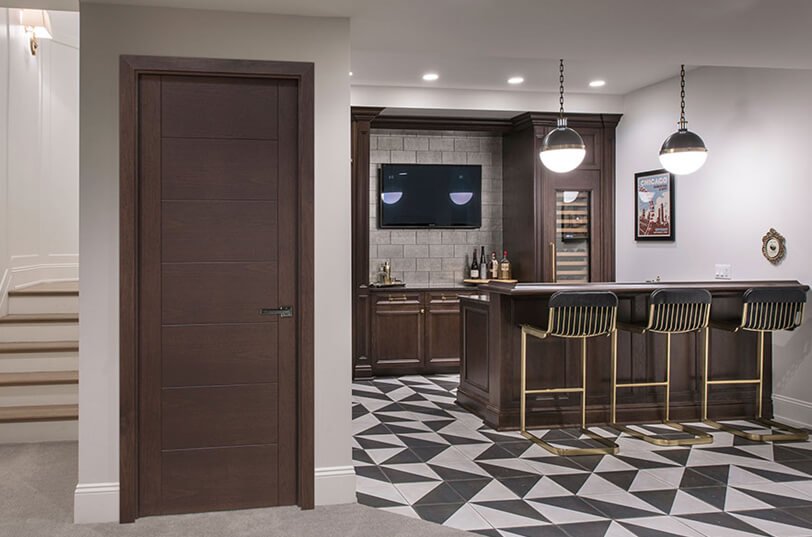
A door is an important part of any home or building. It provides security, privacy, insulation, and a welcoming appearance. However, like other parts of a property, a door does not last forever. Over time, constant use, weather exposure, moisture, and general wear can affect its performance. While some minor problems can be repaired, there are situations where replacing an old door is a more practical solution.
Knowing the warning signs can help you avoid higher repair costs, security concerns, and energy loss. If your door is showing several signs of serious wear, it may be time to consider installing a new one.
Visible Damage and Deterioration
One of the easiest ways to determine whether a door needs replacement is to inspect its overall condition. Small scratches or minor dents are usually not serious, but extensive damage can affect both appearance and performance.
Cracks and Splits
Wooden doors can develop cracks and splits as they age. These problems may become worse when the material is repeatedly exposed to moisture and changes in temperature. Deep cracks can weaken the structure and make the door less secure.
If the damage extends across a large portion of the door, replacing it may be more effective than repeatedly repairing it.
Rot and Water Damage
Moisture can cause serious problems, especially with exterior wooden doors. Soft spots, peeling surfaces, swelling, discoloration, or visible rot are signs that water has affected the material.
A small damaged area may sometimes be repaired, but widespread water damage can compromise the entire door. A replacement can provide better protection against future moisture problems.
Difficulty Opening or Closing
A door should open and close smoothly without requiring excessive force. If you regularly need to push, pull, lift, or adjust it to make it work properly, there may be an underlying structural problem.
Warping and Misalignment
Older doors can become warped over time. This can happen because of humidity, temperature changes, moisture, or natural aging. A warped door may rub against the frame, leave uneven gaps, or fail to close completely.
Although hinges and hardware can sometimes be adjusted, severe warping may be difficult to correct. Replacing the door can restore smooth operation and proper alignment.
Problems With the Frame
Sometimes the issue is not the door itself but the surrounding frame. A damaged or weakened frame can prevent the door from fitting correctly. If both the frame and door have deteriorated, replacing the complete door system may be the better option.
Increasing Energy Bills
An old door can contribute to unwanted heat gain or heat loss. If you notice drafts around the edges of your door, the weatherstripping or seals may have deteriorated.
Drafts Around the Edges
Stand near the closed door on a windy day and check whether you can feel air coming through gaps. Drafts can make rooms uncomfortable and force heating or cooling systems to work harder.
Replacing an old door with a properly sealed and insulated model can help reduce air leakage and improve indoor comfort.
Poor Insulation
Older doors may have limited insulation compared with newer designs. If the surface feels unusually hot or cold depending on the weather, the door may not be providing adequate thermal protection.
A modern insulated door can help maintain a more consistent indoor temperature while reducing unnecessary energy use.
Security Concerns
Security is one of the most important functions of an exterior door. An old or damaged door may provide less protection than a modern, sturdy alternative.
Weak or Damaged Material
If the door has become soft, cracked, hollow, or structurally weak, it may be easier to damage. This is particularly concerning for a main entrance or another exterior access point.
A strong replacement door can provide a more secure barrier and can also support modern locking hardware.
Outdated Locks and Hardware
Sometimes the door itself remains in reasonable condition, but its locks, hinges, or other hardware are outdated or damaged. In some cases, upgrading the hardware may solve the problem. However, if the door and hardware are both significantly worn, replacing the complete system may make more sense.
Excessive Noise From Outside
A properly fitted door can help reduce outside noise. If you have started noticing more traffic, conversations, wind, or other outdoor sounds inside your home, the door may no longer be sealing properly.
Gaps and Poor Sealing
Visible gaps around the frame can allow sound and air to enter. Worn weatherstripping can also reduce the door’s ability to block outside noise.
Replacing an old door with a well-fitted and properly sealed option can improve both sound control and indoor comfort.
Frequent Repairs
Regular maintenance is normal, but constantly repairing the same door can become expensive. If you repeatedly replace hinges, fix cracks, adjust alignment, repair locks, or repaint damaged surfaces, it may be time to calculate the long-term cost.
Repair Costs Add Up
A single inexpensive repair may be worthwhile. However, multiple repairs over several months or years can eventually cost more than installing a new door.
Consider the age and condition of the door along with its repair history. If problems keep returning, replacement may provide a longer-lasting solution.
The Door Looks Outdated
Function is important, but appearance also matters. An old door can make an otherwise attractive property look dated.
Improving Curb Appeal
A new door can significantly change the appearance of an entrance. Modern styles are available in various materials, colors, finishes, and designs, making it easier to match the door with the property’s overall appearance.
For homeowners preparing to sell a property, improving the entrance may also help create a more attractive first impression.
Difficulty Locking the Door
A door that does not lock properly should not be ignored. Difficulty turning the key, a loose lock, or a latch that does not align correctly can indicate problems with the hardware, frame, or door itself.
If simple adjustments do not solve the issue, replacing the door may be necessary. Security should always be a priority, particularly for exterior entrances.
Condensation or Moisture Problems
Excessive condensation around or inside a door can indicate poor insulation or sealing. In some cases, moisture can eventually lead to mold, swelling, rust, or deterioration.
If moisture damage continues despite repairs and improved sealing, a new door may offer better protection and durability.
When Repair Is Still a Good Option
Not every old door needs immediate replacement. If the structure is strong and the problem is limited to minor scratches, worn weatherstripping, loose hinges, or a damaged handle, repairs may be enough.
Before replacing a door, inspect the material, frame, hardware, and sealing. For garage doors, problems with springs and other operating components should also be evaluated by a qualified professional. If the main issue is a worn spring rather than the entire door, a repair or garage door spring replacement may resolve the problem without requiring a complete replacement.
Choosing a Replacement Door
When it is time to replace an old door, consider the material, insulation, security features, style, size, and maintenance requirements. Exterior doors should be selected according to the local climate and the level of protection required.
Focus on Quality and Proper Installation
A high-quality door will only perform well if it is installed correctly. Poor installation can create gaps, alignment problems, drafts, and security weaknesses.
Choose a suitable replacement and make sure it is measured and installed properly. Proper maintenance afterward can also extend its service life.
Conclusion
An old door can show many warning signs before it completely fails. Cracks, rot, drafts, difficulty opening or closing, security problems, poor insulation, frequent repairs, and outdated appearance can all indicate that replacement should be considered.
Not every issue requires a new door, but repeated problems and serious structural damage should not be ignored. By evaluating the door’s condition, repair costs, security, energy performance, and overall appearance, homeowners can make a practical decision about whether repair or replacement is appropriate. A well-maintained and properly installed door can improve comfort, security, efficiency, and the appearance of a property for many years.