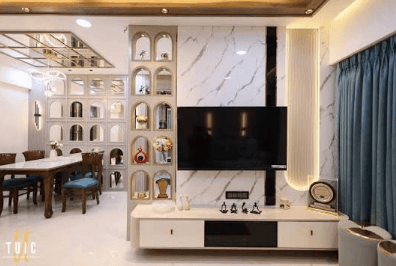
The appearance of a home can have a significant effect on how comfortable and welcoming it feels. Fresh walls, carefully selected colours, well-finished woodwork, and coordinated details can change the character of a room without requiring a complete structural renovation.
However, achieving a professional-looking interior involves more than choosing an attractive colour palette. Preparation, material selection, surface condition, lighting, and the quality of the finishing work all contribute to the final result. A thoughtful approach can help homeowners create rooms that look good while remaining practical for everyday life.
Start With a Clear Vision
Before making changes, homeowners should think about what they want to achieve.
Some projects focus on creating a brighter room, while others may aim to make a space feel larger, introduce a new style, or improve the property’s overall appearance.
It can be useful to collect ideas and identify common elements such as colours, textures, materials, and furniture styles. This creates a starting point without requiring every decision to be made immediately.
A clear vision also helps prevent unnecessary changes during the project.
Assess the Existing Interior
The condition of the existing space should be considered before any new finishing work begins.
Walls may have cracks, holes, stains, peeling areas, or uneven surfaces. Ceilings and woodwork may also require preparation before they can receive a new finish.
Taking care of these issues first can help create a cleaner result.
It is also worth identifying features that do not need to be replaced. Keeping suitable existing elements can reduce costs and preserve some of the character of the property.
Choose Colours Carefully
Colour is one of the easiest ways to change the atmosphere of a room.
Lighter shades can help create an open and airy feeling, while deeper tones may add warmth or visual depth. Neutral colours can provide flexibility when furniture or decorative accessories are changed later.
However, colour should not be selected based solely on how it appears in a catalogue. Natural daylight, artificial lighting, room size, and surrounding materials can all affect how a colour looks.
Testing samples in the actual room can therefore be helpful before committing to a final choice.
Prepare Surfaces Properly
Preparation is one of the most important stages of any finishing project.
A new coating cannot completely hide major surface imperfections. Cracks, holes, loose material, and uneven areas may need to be repaired before the finishing process begins.
Depending on the condition of the surface, preparation can involve cleaning, filling, sanding, or priming.
Although preparation may not be the most visible part of the project, it can make a significant difference to the final appearance.
Coordinate Walls With Other Features
Walls should be considered alongside flooring, doors, furniture, cabinets, and other features.
A colour that works well on its own may not complement the existing woodwork or flooring. Creating a coordinated palette can help the entire room feel more balanced.
Homeowners do not need to match every element exactly. Instead, complementary colours and materials can create visual continuity while still allowing individual features to stand out.
Give Attention to Woodwork
Wooden elements can be an important part of an interior.
Doors, frames, skirting boards, shelving, cabinets, and other features often attract attention because they define the edges and structure of a room.
Damaged or poorly finished woodwork can make an otherwise refreshed room look incomplete. Repairing, preparing, or updating these features can therefore be an important part of the overall project.
For homeowners who need additional craftsmanship as part of an interior improvement, professional services for Decorating can be considered alongside the wider project requirements.
Consider the Function of Each Room
The most suitable finish depends partly on how a room is used.
A busy hallway may need a durable and easy-to-maintain finish. A family living room may require surfaces that can cope with everyday activity, while a bedroom may allow more flexibility in decorative choices.
Thinking about daily use before selecting materials can help homeowners avoid choices that look attractive but are difficult to maintain.
Use Lighting to Your Advantage
Lighting can dramatically affect the appearance of decorative finishes.
Natural daylight changes throughout the day, while artificial lighting can make the same colour appear warmer, cooler, brighter, or darker.
Before finalizing a colour scheme, consider both daytime and evening conditions.
The placement of lamps and ceiling lights can also influence how walls, textures, and architectural features are perceived.
Create Visual Balance
A successful interior does not need to contain many decorative elements.
Too many competing colours, patterns, or materials can make a room feel crowded. On the other hand, a completely plain space may lack character.
A balanced approach can involve choosing one or two key features and allowing the surrounding elements to support them.
For example, a statement wall can be complemented by simpler surrounding finishes, while distinctive woodwork can remain a focal point without being overwhelmed by additional decoration.
Think About Maintenance
Finishing materials should be selected with future maintenance in mind.
Homes experience everyday wear, including fingerprints, dust, accidental marks, and regular cleaning. Certain rooms may also experience greater moisture or traffic.
Before selecting a finish, consider how easily it can be cleaned and whether it is suitable for the environment.
Understanding the manufacturer’s care recommendations can also help homeowners maintain the finished surfaces over time.
Plan the Work in Stages
Large interior projects can become easier to manage when divided into clear stages.
Preparation should generally happen before final finishing. Repairs should be completed before decorative work, and areas that require protection should be covered during activities that could create dust or damage.
Planning the sequence carefully can reduce unnecessary rework.
It also helps homeowners understand which areas may be temporarily unavailable during the project.
Avoid Unnecessary Changes
Renovation can sometimes lead to decisions that were not part of the original plan.
While some changes may become necessary, homeowners should consider whether each additional alteration contributes meaningful value.
Keeping a clear list of priorities can help control costs and prevent the project from becoming unnecessarily complicated.
A focused project often produces a more consistent result.
See also: How Technical Specifications Support Better Procurement
Consider the Property’s Character
Modern finishes can be introduced without completely removing the character of an existing home.
Older properties may contain traditional woodwork, distinctive doors, or architectural details that add personality. These features can sometimes be cleaned, repaired, or incorporated into a new design.
Combining original details with carefully selected modern finishes can create an interior that feels updated without losing its identity.
Work With Experienced Professionals
The quality of finishing work can strongly influence the appearance of an interior.
Accurate preparation, clean edges, careful application, and attention to detail can help create a more polished result.
When a project includes several connected tasks, professional planning can also make it easier to coordinate different stages and maintain consistency throughout the property.
Common Questions
1. How can homeowners choose the right colours?
Consider room size, natural and artificial lighting, existing furniture, flooring, and the atmosphere you want to create. Testing samples in the actual room can help before making a final decision.
2. Why is surface preparation important?
Preparation helps address cracks, holes, dirt, and uneven areas before finishing materials are applied. A properly prepared surface can provide a cleaner and more consistent result.
3. Should every room have the same design?
Not necessarily. Different rooms can have their own character while sharing complementary colours, materials, or design details to create a cohesive home.
Conclusion
A successful interior transformation depends on much more than selecting attractive colours. Careful preparation, suitable materials, thoughtful coordination, and attention to small details all contribute to a finished space that feels comfortable and complete.
By considering the purpose of each room, the existing features of the property, lighting conditions, maintenance requirements, and long-term practicality, homeowners can make more informed design choices.
Whether the project involves refreshing a single room or updating several areas of a property, a well-planned approach can create an interior that looks polished while remaining practical for everyday living.