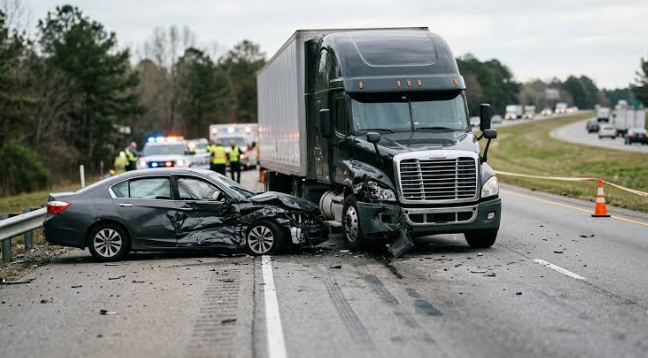
After a commercial truck crash, physical evidence can disappear before vehicles leave the scene. Skid marks fade, damaged parts get repaired, nearby cameras overwrite footage, and electronic records become harder to obtain. Delays also give insurers time to build a version of events around incomplete facts. People who act quickly preserve details about speed, braking, visibility, driver conduct, and company responsibility. The first hours often determine which evidence remains available for the claim.
A prompt consultation with an Atlanta personal injury lawyer can help identify preservation steps before records vanish. A lawyer can request vehicle data, dispatch logs, inspection files, and camera footage while those materials still exist. Early review also separates useful evidence from assumptions, which matters when a trucking company or insurer disputes how the collision happened.
Why truck evidence disappears quickly
A truck crash scatters evidence across a wide area. Debris moves when traffic resumes, tow operators remove vehicles, and weather changes the road surface. Road crews also clean fuel, cargo, glass, and damaged signs before an injured person can return.
Vehicle damage changes after towing, storage, and repair. A bumper, tire, brake component, or trailer door can reveal impact force and vehicle movement. Once a repair shop replaces those parts, investigators lose the chance to examine their original condition.
Security footage creates another deadline. Traffic cameras, nearby businesses, loading docks, and residential systems often automatically overwrite older files. A request made several weeks later can arrive after the relevant recording no longer exists.
See also: Clothing Design for Modern Lifestyles
Electronic records need early requests
Commercial trucks often contain electronic information about speed, braking, steering, seat-belt use, and engine activity. An event data recorder can help establish what the truck did shortly before impact. The truck’s onboard system does not preserve every fact, but its records can test statements from drivers and witnesses.
Dispatch records can establish a trip timeline. Messages, route assignments, delivery schedules, and location data can show where the driver traveled and whether the schedule created pressure. Those records can also show who controlled the trip and which company maintained the operational files.
Maintenance records deserve similar attention. Inspection reports, repair invoices, tire records, and service notes can reveal recurring problems before the crash. A worn tire or unresolved brake issue can matter when the trucking company denies a mechanical cause.
Witnesses and scene details
Witnesses often remember moments that cameras miss. A driver behind the truck might describe lane movement, sudden braking, or cargo falling from the trailer. A nearby worker might identify a warning light, unusual noise, or unsafe loading condition.
Collect contact information before witnesses leave. Names, phone numbers, email addresses, and brief notes about each person’s observations help preserve accounts while memories remain clear. Witnesses should describe what they saw without guessing about fault.
Scene photographs should show the entire setting, not just vehicle damage. Useful images include lane markings, traffic signals, road defects, lighting, weather, skid marks, debris fields, cargo placement, and sight distances. Time-stamped photographs can later help explain how conditions affected visibility and stopping distance.
Medical and insurance evidence
Medical records connect the crash to documented injuries. Prompt evaluation records the patient’s complaints, examination findings, imaging, treatment plan, and restrictions. Delayed care gives an insurer an argument that symptoms came from another cause, even when the injury began during the collision.
Keep bills, pharmacy records, work restrictions, and missed-work documentation organized. These materials show how the injury affected daily responsibilities and income. Consistent records also make it easier to compare claimed losses with the treatment history.
Insurance communications require care. Adjusters often request recorded statements, medical authorizations, photographs, and broad descriptions of the incident. A person should review those requests before responding because an incomplete statement can later become part of the insurer’s position.
What should happen in the first days
The first priority is emergency care and scene safety. After that, the injured person should preserve photographs, identify witnesses, retain damaged clothing or equipment, and avoid repairing or discarding relevant property.
A written evidence list can prevent you from overlooking details. It should include the truck, trailer, cargo, roadway, cameras, witnesses, medical providers, employers, insurers, and records connected with the trip. Each item needs a date, location, and contact person when available.
Legal counsel can issue preservation demands to companies that control trucks, cameras, maintenance files, dispatch systems, and electronic data. Those demands do not replace independent investigation, but they create a clear record that the evidence must be retained.
Conclusion
Truck crash evidence does not remain available while a claim sits idle. The practical next step is to document the scene, preserve damaged equipment, identify witnesses, and request relevant records before routine deletion or repairs erase them. Medical treatment should continue through documented providers, and every bill and visit should be retained. A prompt legal review can connect physical evidence, electronic data, and testimony into one consistent account of responsibility and loss.